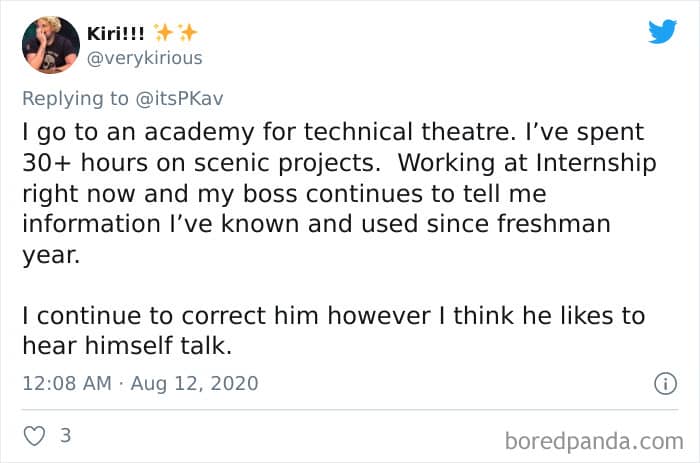
“Every woman knows what I’m talking about,” wrote the author Rebecca Solnit in her hugely influential portion of the essay “Men Explain Things To Me” which first appeared in the 2008 Los Angeles Times. It’s when the concept of ‘mansplaining’ was born, and it refers to men explaining something to a woman in a condescending, overconfident, and often inaccurate manner without being asked to do so.
According to Solnit, men explaining things to women is not an innocent act, but rather it trains them into self-limitation and self-doubt, and further fuels men’s unsupported confidence.
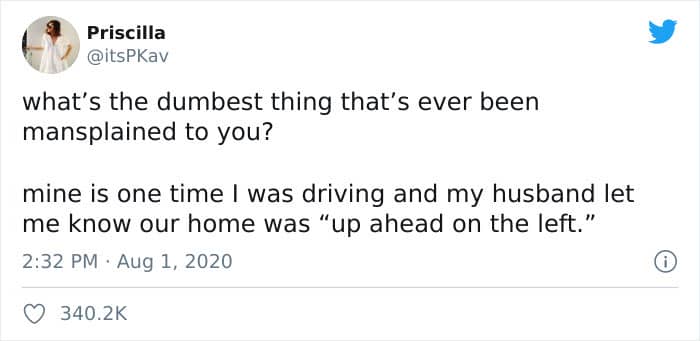
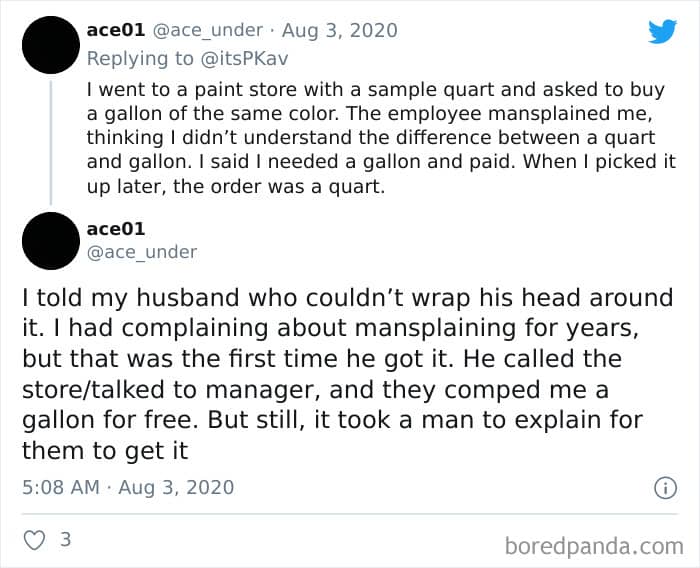
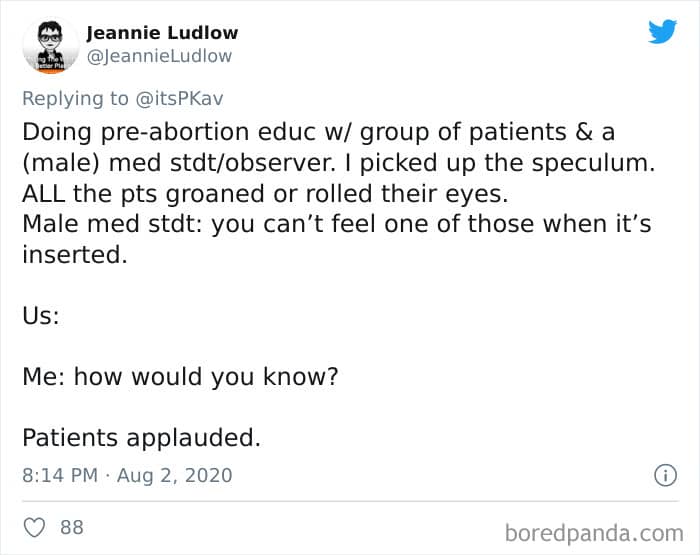
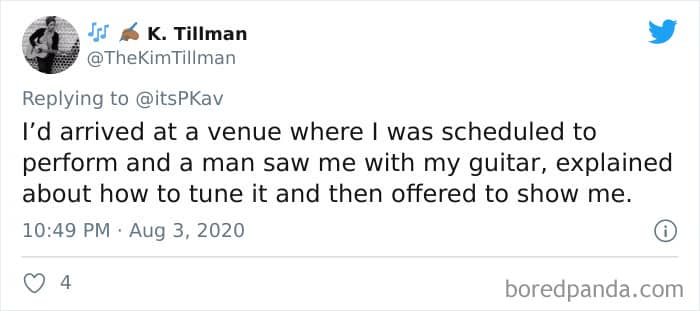
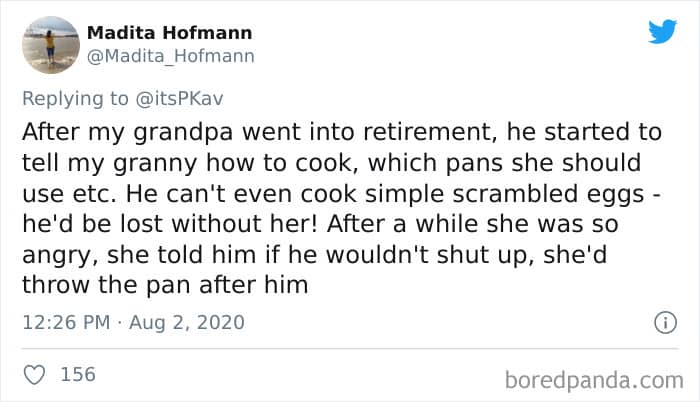
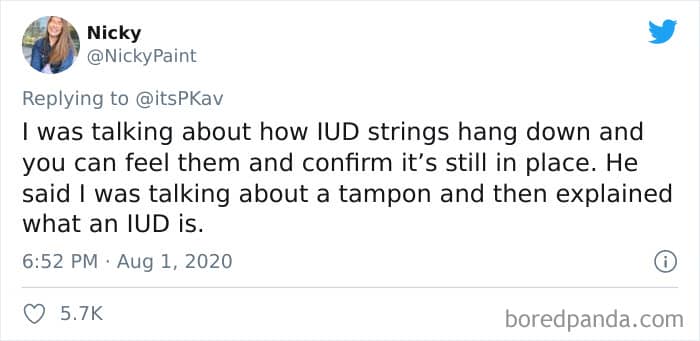
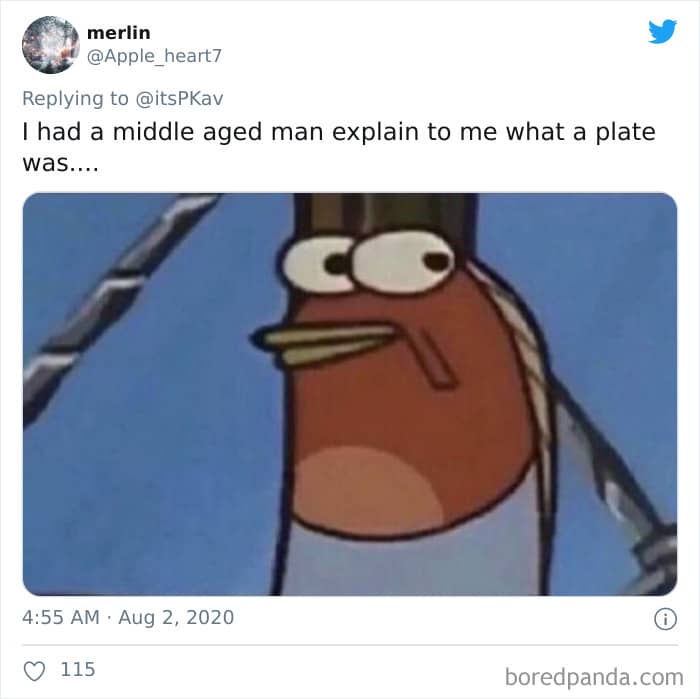
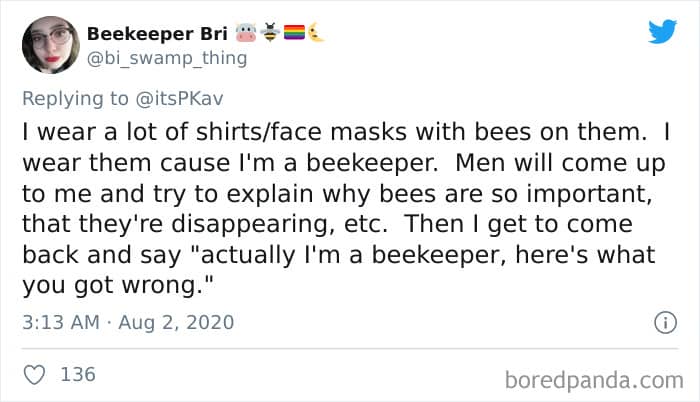
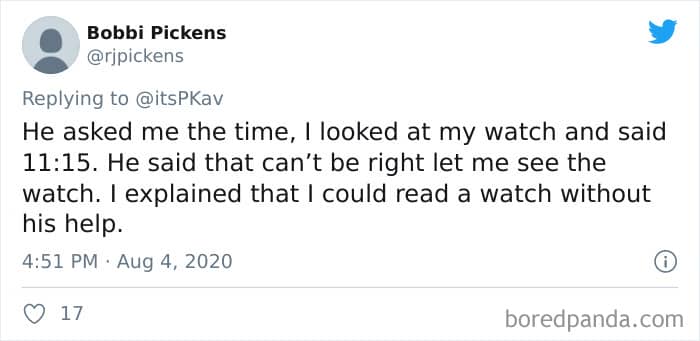
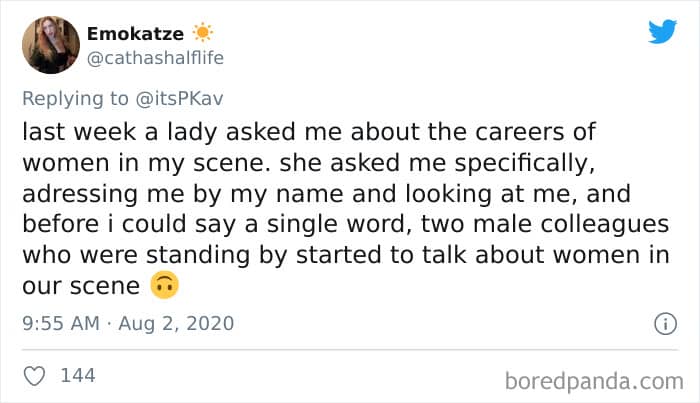
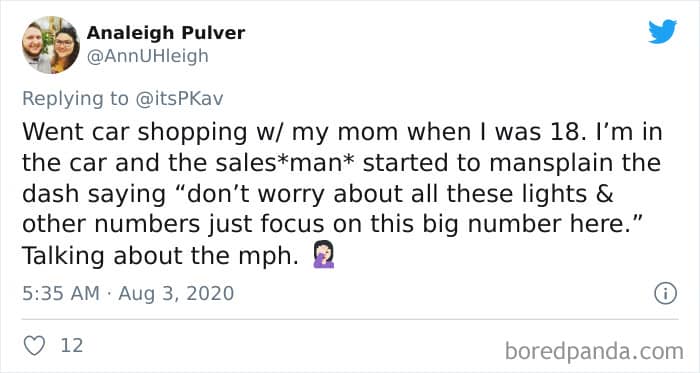
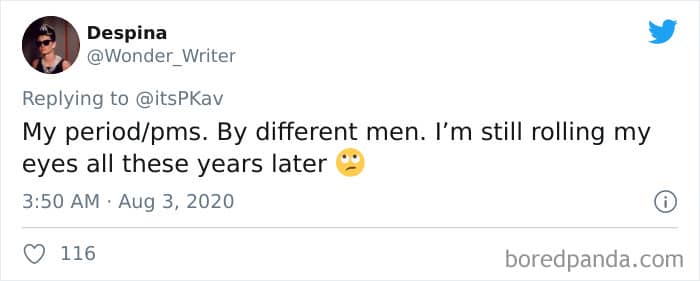
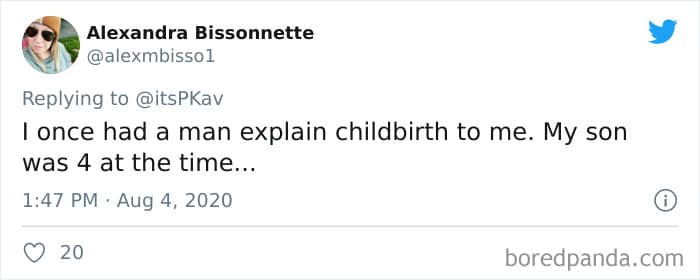
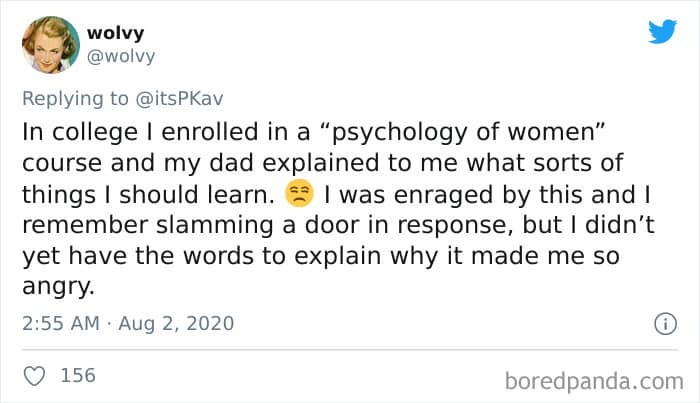
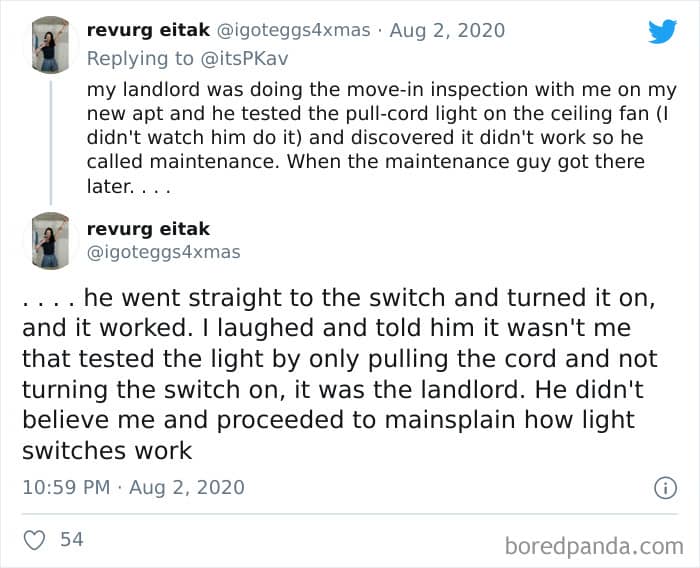
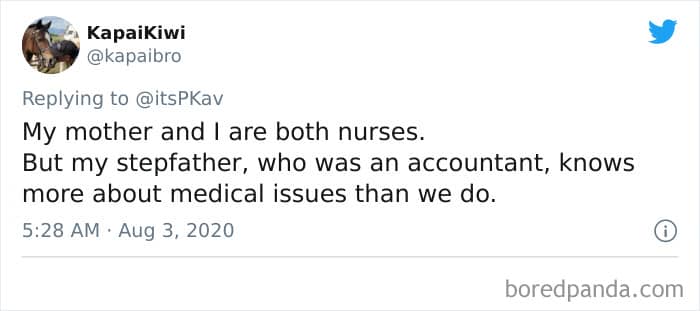
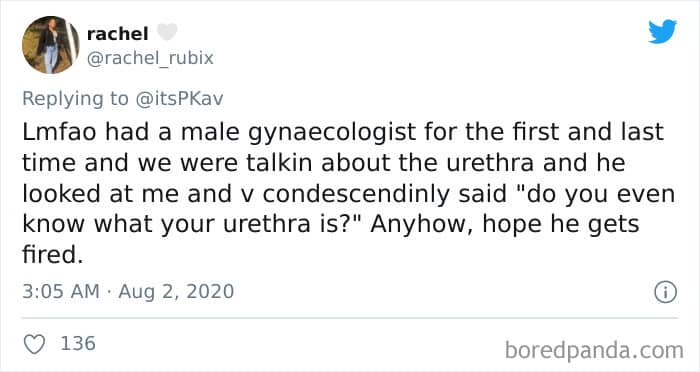
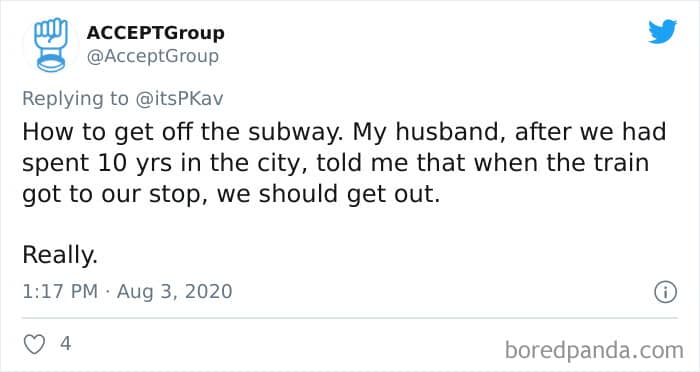
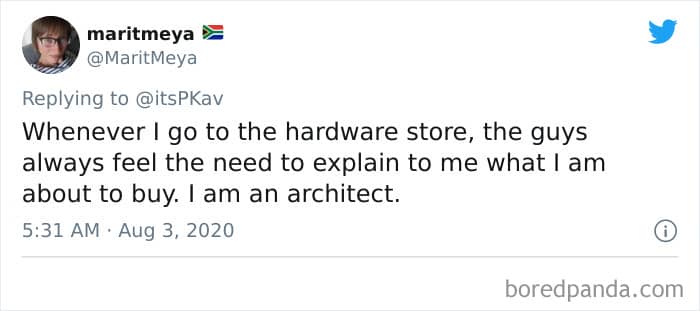
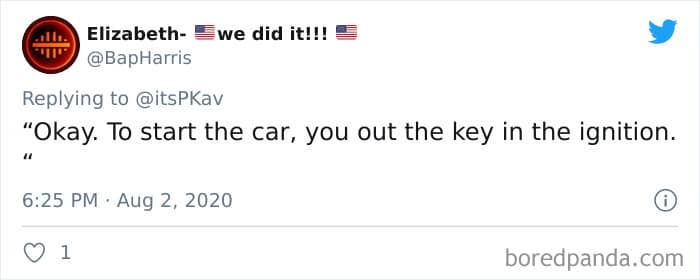
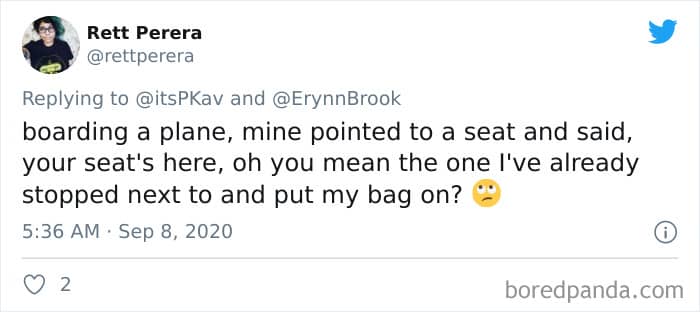
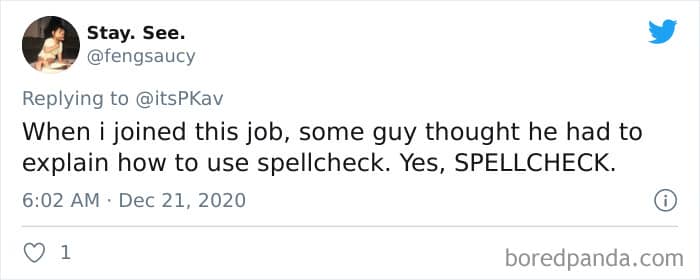
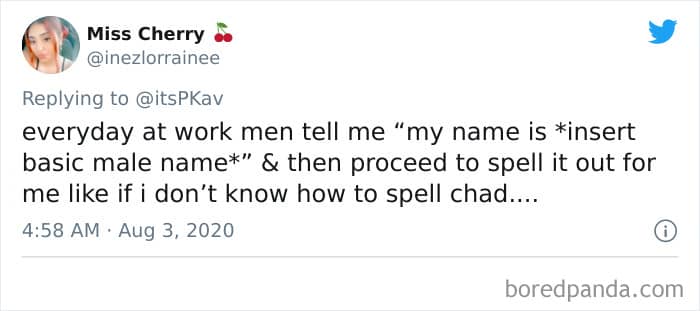
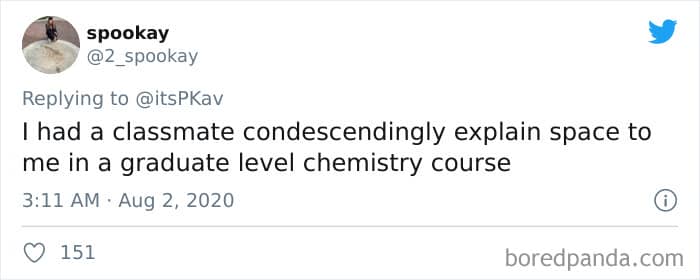
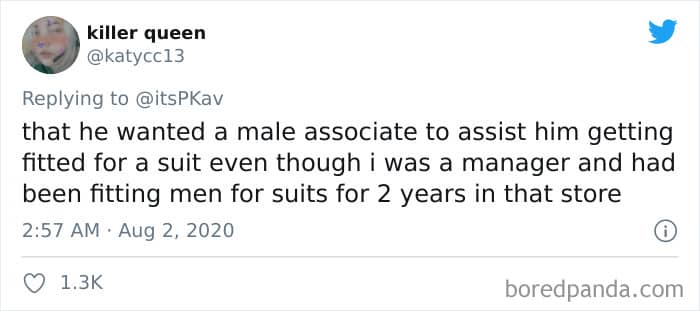
Fast forward to today, and women around the world still find themselves being mansplained to like it was no big deal. So when Twitter user Priscilla tweeted a question “What’s the dumbest thing that’s ever been mansplained to you?” it immediately went viral with 340.2K likes.
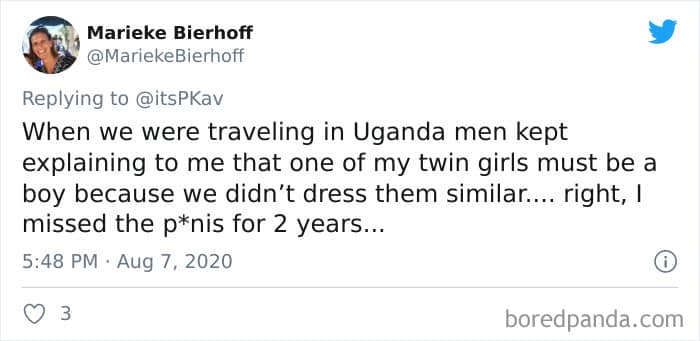
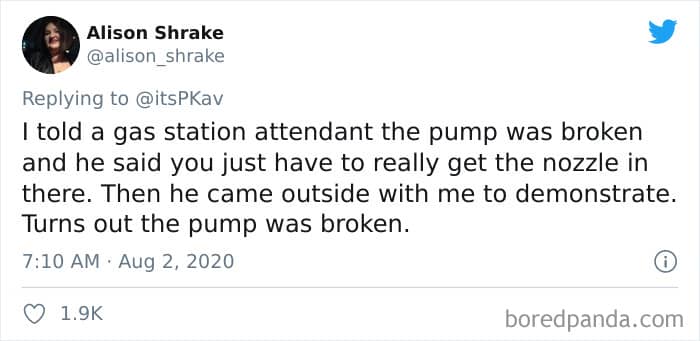
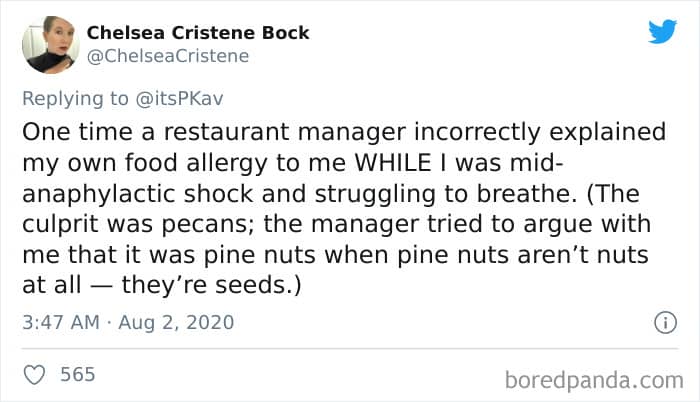
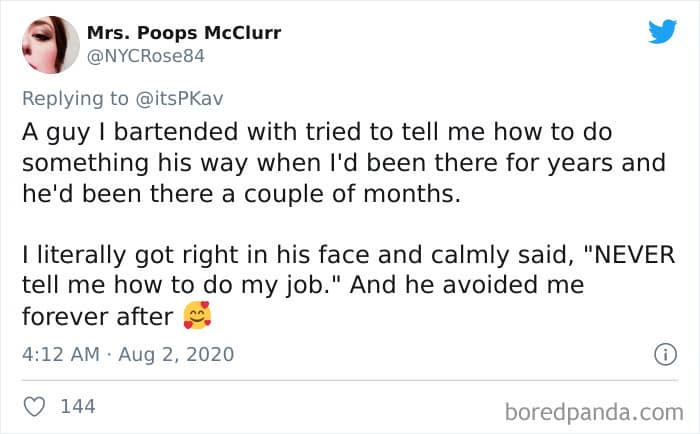
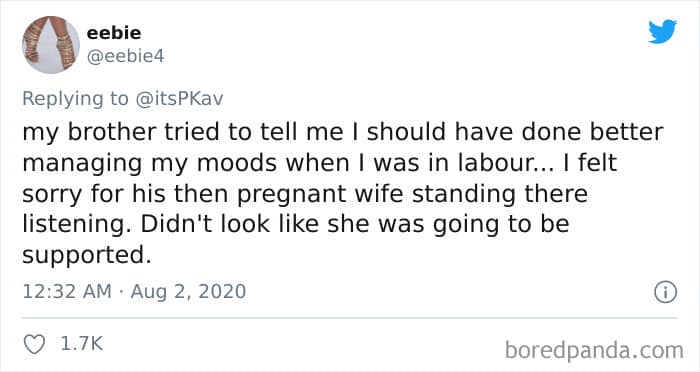
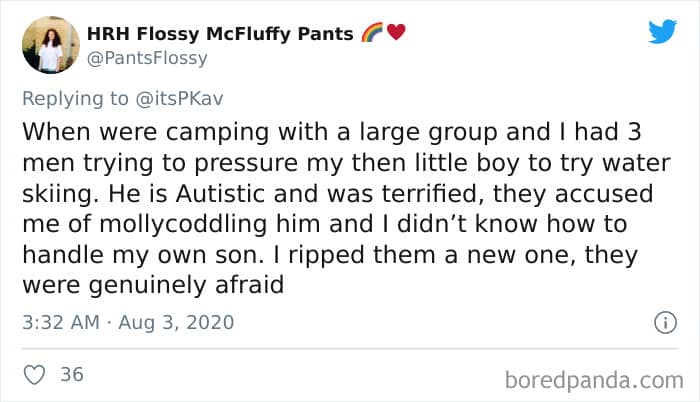
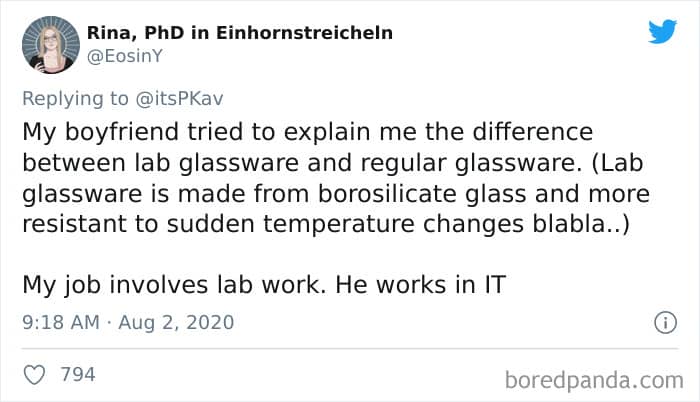
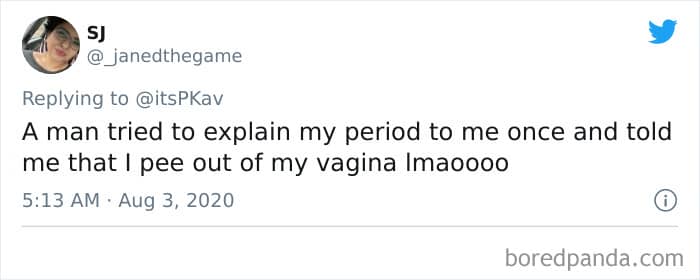
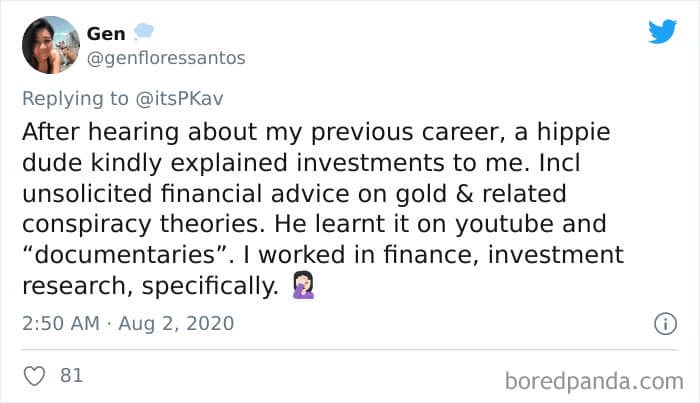
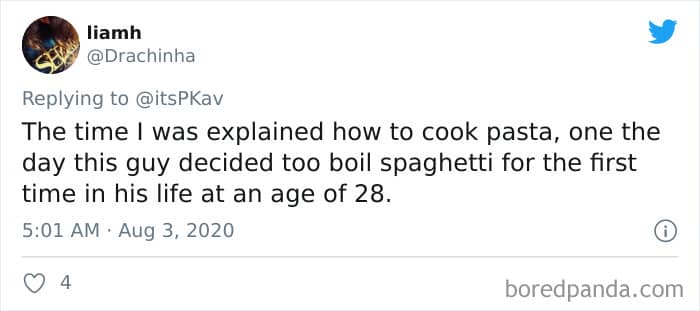
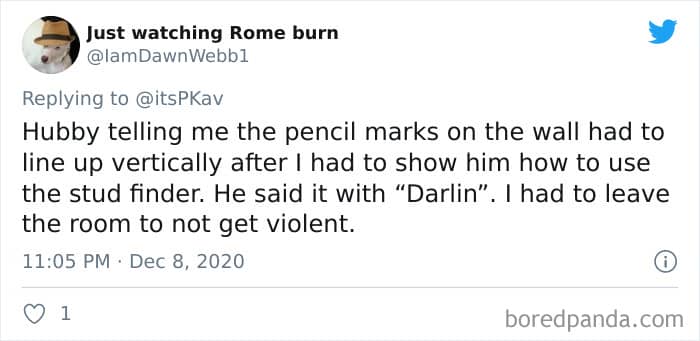
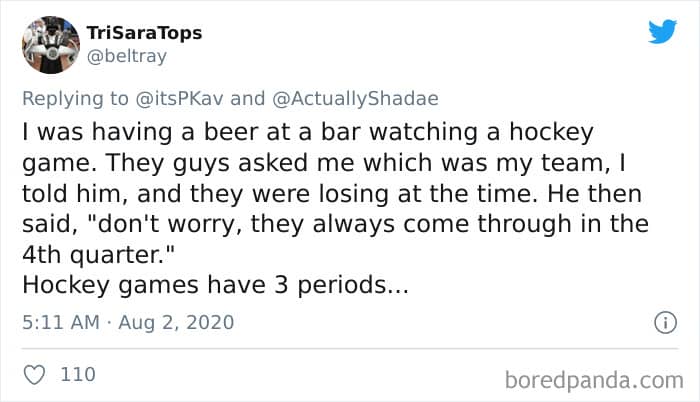
It turned out she was far from the only one whose “husband let her know their home was ‘up ahead on the left'” when she was driving. Many more women joined the thread to share their experiences of men lecturing them, and if it’s not illuminating, I don’t know what is.
 #1
#1
#2

#3
We reached out to the writer, designer, and content creator Priscilla Kavanaugh, who’s the person behind this viral Twitter thread. Priscilla, who runs the blog “Bonjouritchesblog.com,” believes that the reasons for mansplaining have to do with “boys and young men who are empowered in different ways than girls and young women.”
For example, “Girls are taught to ‘be nice,’ while boys are taught to be fearless.” “Of course,” she added, “it’s not as black and white as that, but I think that’s a big chunk. We have a lot of work to do!”
When asked what she thinks is the best reaction you can give if you’re mansplained to, Priscilla said that her go-to in a sticky situation is “to make a joke, which surely isn’t always the best route.” She also stressed that it’s really difficult to be prepared simply because “you never know when you’ll find yourself being mansplained to.”
#4
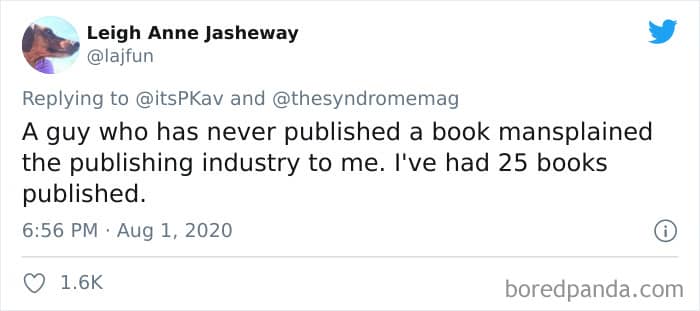
#5
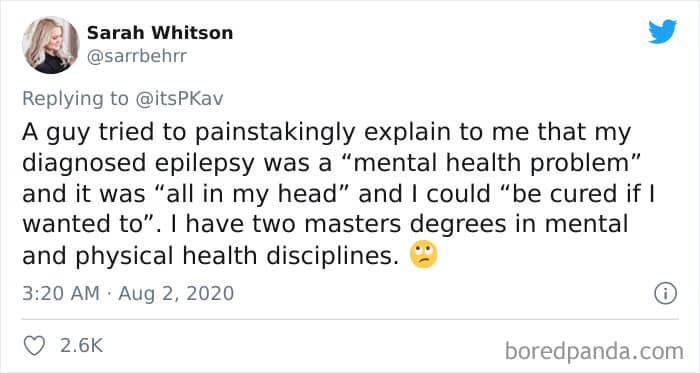
#6
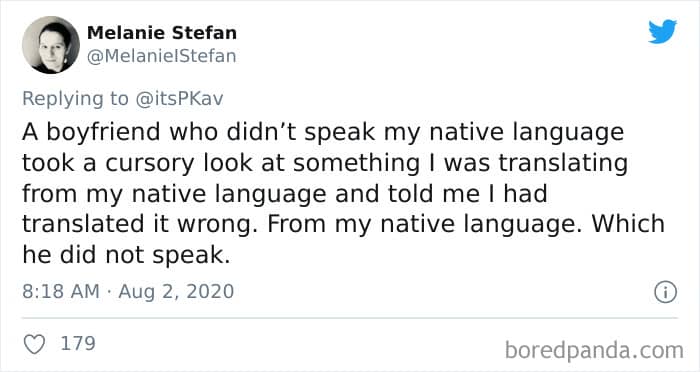
That doesn’t change the fact that mansplaining is indeed an inherently wrong practice. “Mansplaining is extremely demeaning. Being mansplained to makes one feel ‘less than,’ and as if one’s knowledge isn’t worth respecting. Over time, it creates patterns of silence—women simply stop advocating for themselves or sharing ideas because it’s exhausting.”
And when it comes to her Twitter thread, Priscilla said that she truly realized that mansplainers “know no boundaries.” On the other hand, “I also learned that there are men out there that are open to learning and trying to put a stop to their own mansplaining; that was very encouraging.”
Thanks to her thread going viral, Priscilla has also interacted with a lot of women who had tons of interesting perspectives. “I asked many of them if I could share their stories in a book, and the response I got was overwhelmingly positive. I really hope I can get it published someday. I think it could be a fun, useful tool for shifting this behavior.”
#7
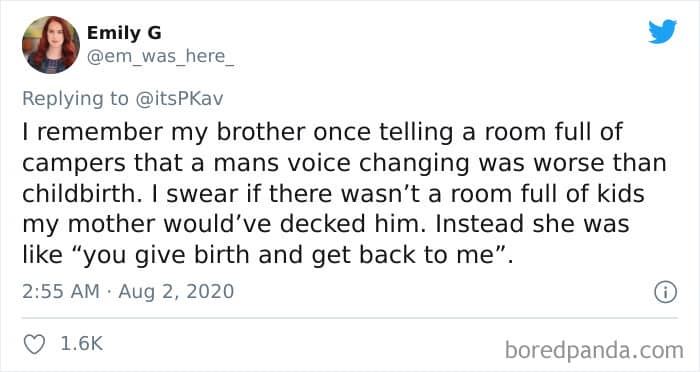
#8
#9
American writer Rebecca Solnit, whose 2008 essay “Men Explain Things to Me” helped to give birth to the term “mansplaining,” helped to define the phenomenon with which too many women could relate. Translated into multiple languages, the text inspired many memes, parodies, and ongoing discussions on whether the term has actually done more harm than good.
When asked about what Solnit thinks of the term today, the writer told The Washington Post recently that “I used to focus on its negatives: It does get used too broadly at times, and it can imply that anything men hold forth on is mansplaining.”
#10
#11
#12
Having said that, the author added that women have been pointing out the incredible value in the term, which helped to describe “an experience most women have but didn’t have terminology for, beyond generics like patronizing, presumptuous, and so forth.”
“I often talk about the importance of calling things by their true name, of the value of precise description, so I’m pleased to have inspired a word that is now in many languages, including, recently, Icelandic,” Solnit commented.
#13
#14
#15
In 2018, another author and design executive Kim Goodwin went viral with a chart she created to help to show men if they were mansplaining or not. Her “Am I Mansplaining?” chart has amassed 124.5k likes and 58.9k retweets on Twitter.
While drawing the chart, Kim realized “the ‘-splaining’ part comes down to three factors.” First, it’s all about whether “they want the explanation?” She proceeds to explain further: “If someone asks you a question, explain away! Unsolicited explanations may be fine (within reason) if you’re someone’s teacher or manager. Explaining after they’ve declined your help is almost always disrespectful.”
#16
#17
#18
Secondly, you should ask yourself if you “Are you making bad assumptions about competence?” According to Kim, “explaining things to knowledgeable people isn’t just wasting everyone’s time, and you may, regardless of your intent, undermine them by implying you don’t trust their competence or intelligence.” Moreover, “You also run the risk of undermining yourself by looking like you have an inflated opinion of your own knowledge.”
And thirdly, Kim asks “How does bias affect your interpretation of the above?” since “both questions are complicated by sexism and other kinds of bias.” According to her, we’re all taught gender bias from an early age, “with boys and girls being criticized and praised for different behaviors in school.”
Even though we like to think that we treat people in a fair manner, it’s not often the case. “Men often assume women are less competent, and white people are likely to assume darker skin equals lower intelligence,” Kim concluded.
#19
#20
#21
#22
#23
#24
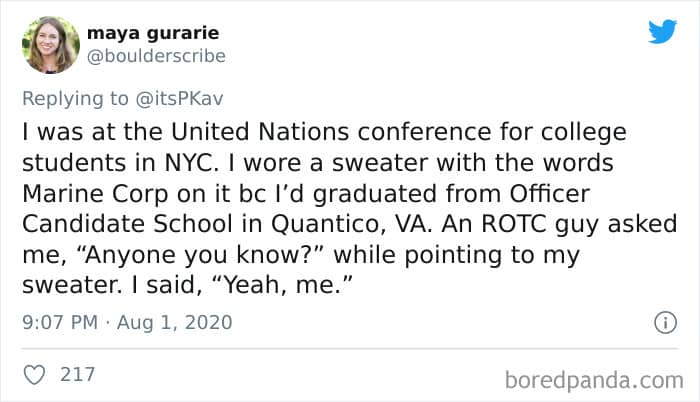
#25
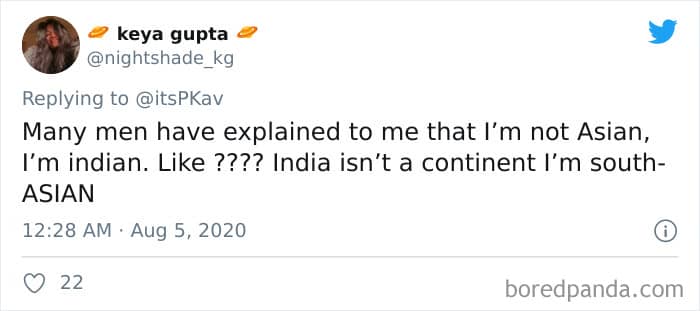
#26
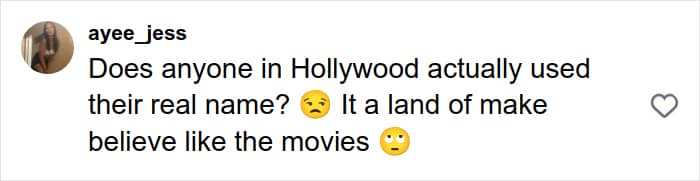
#27
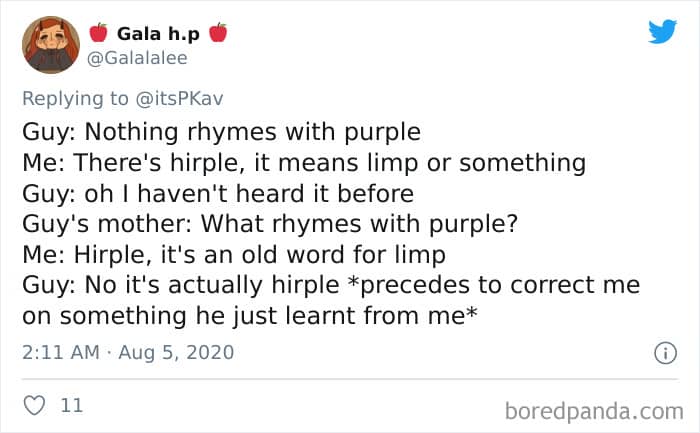
#28

#29
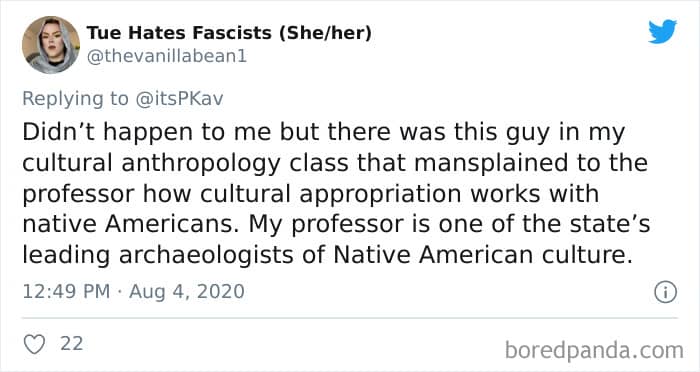
#30
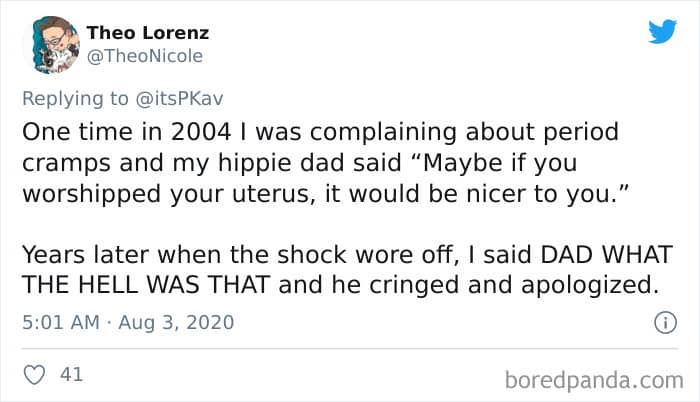
#31
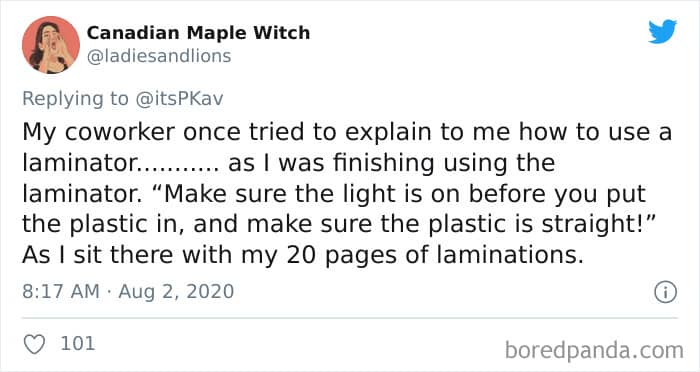
#32
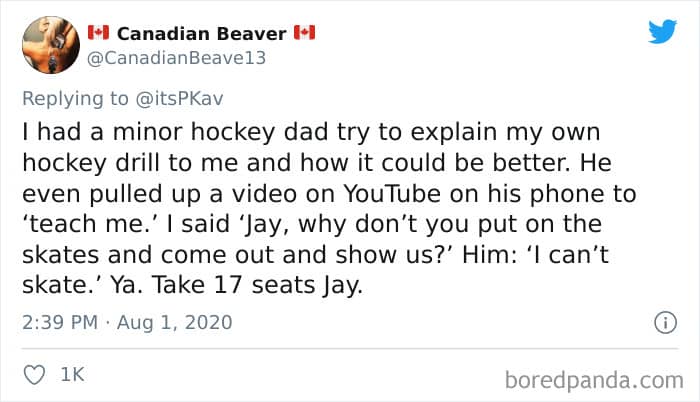
#33
#34
#35
#36
#37
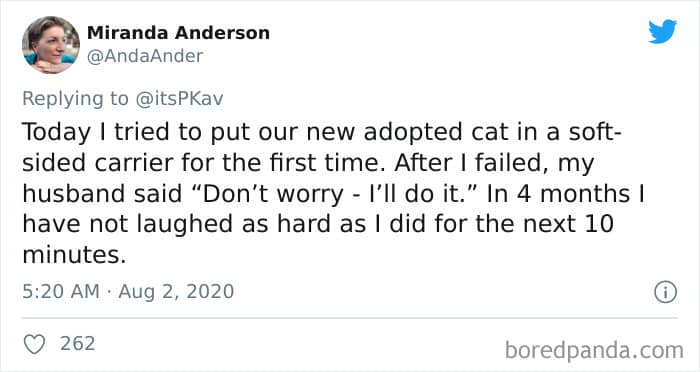
#38
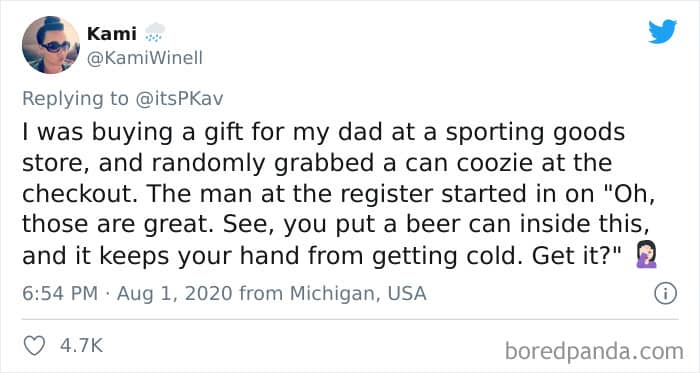
#39
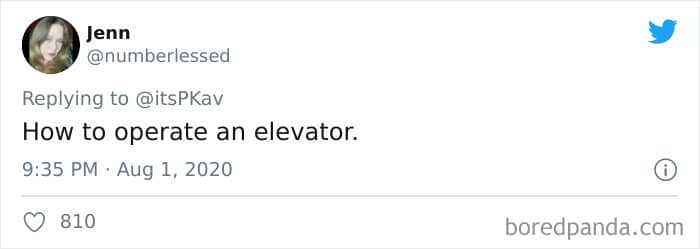
#40
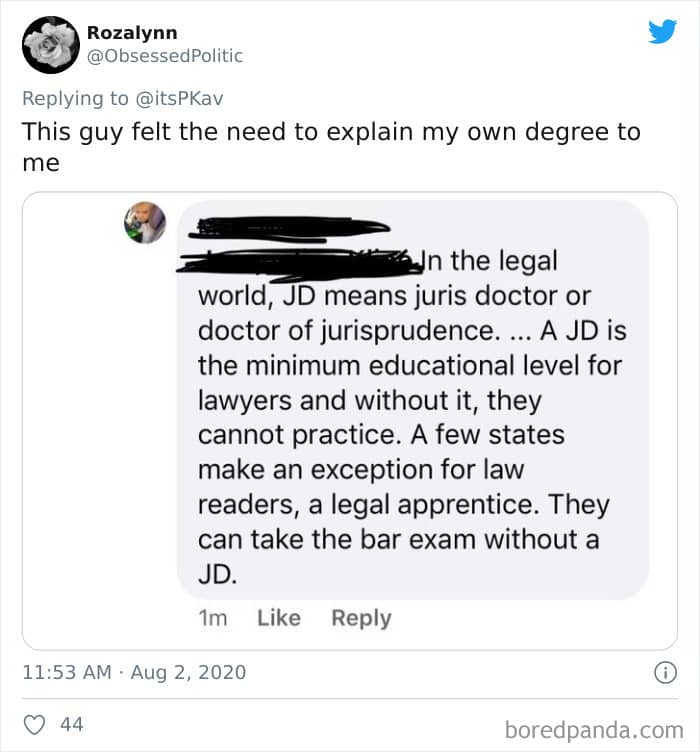
#41
#42
#43
#44
#45
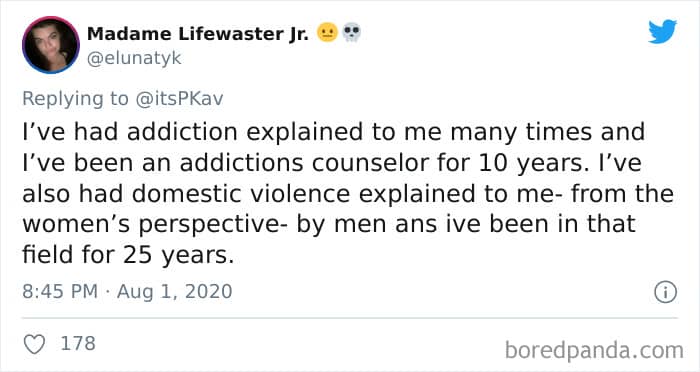
#46
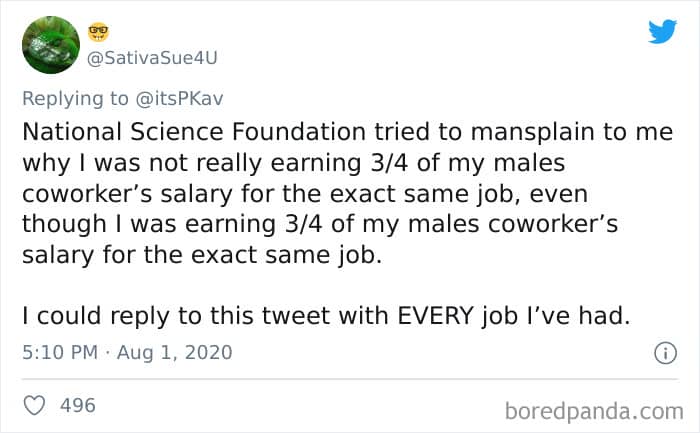
#47
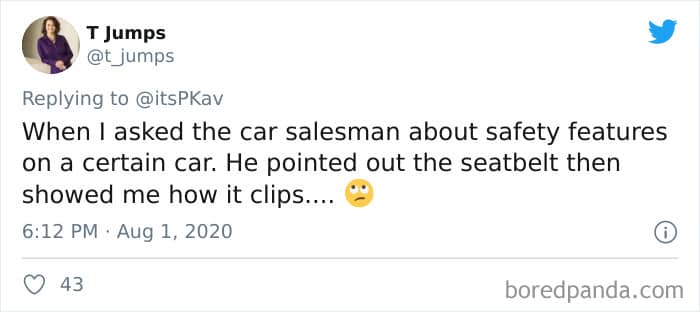
#48
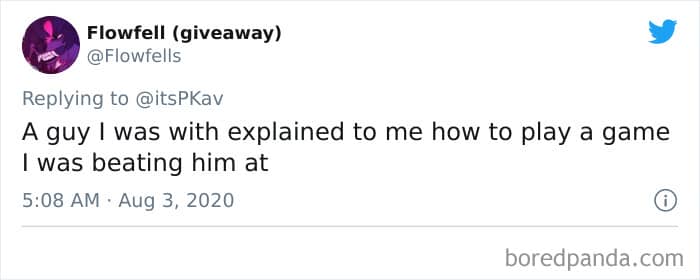
#49
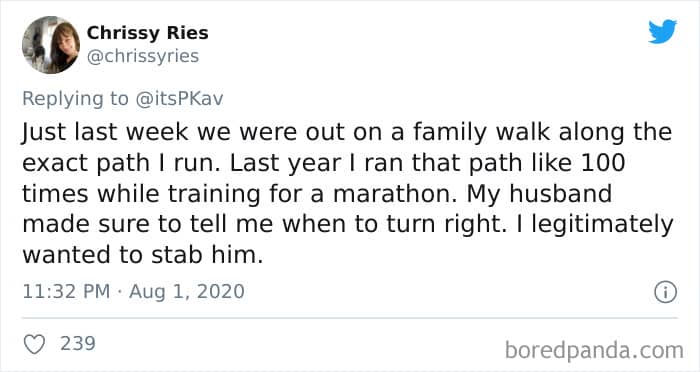
#50
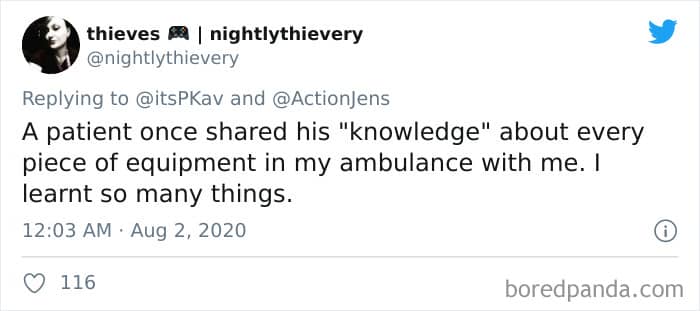
#51
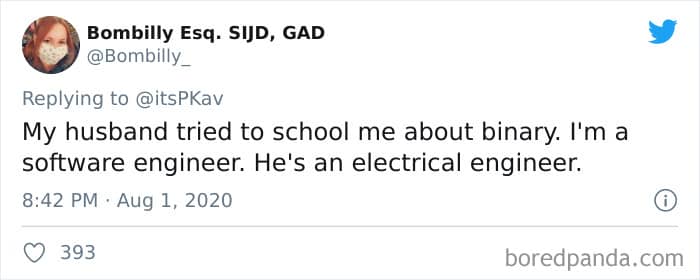
#52
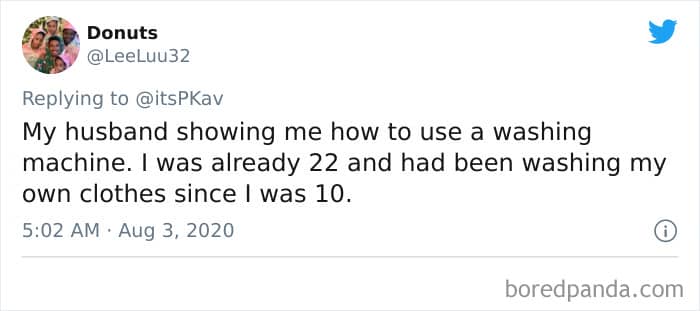
#53
#54
#55
#56
#57
#58
#59
#60
#61
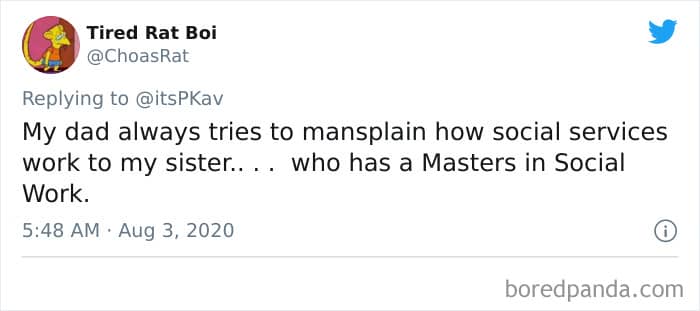
#62
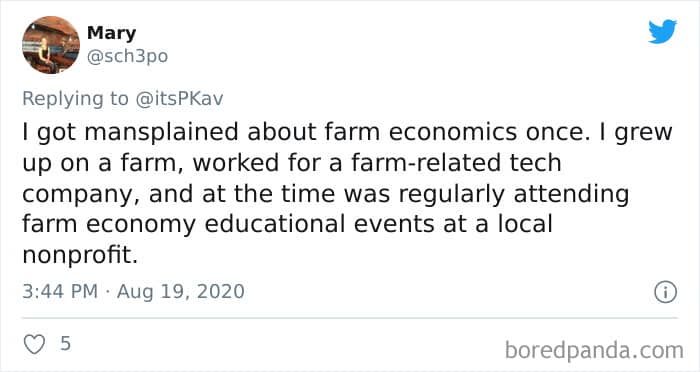
#63
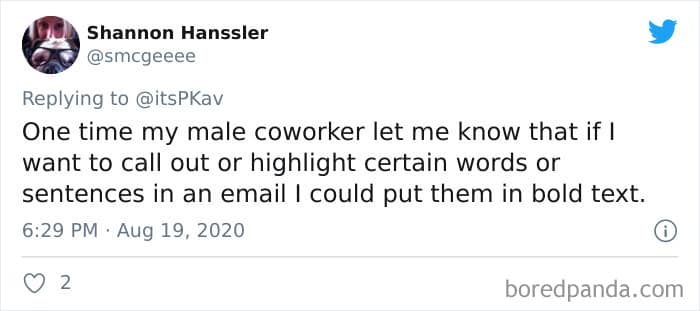
#64
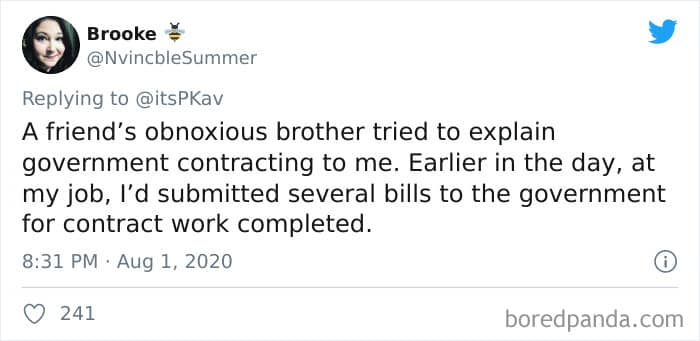
#65
#66
#67
#68
#69
#70
#71
#72
#73
#74
#75
#76
#77
#78