Every workplace has its own (unspoken) rules, and you need to learn how to navigate them, especially in situations where personal and professional interests collide.
Last week, a young employee shared her story on r/AITAH about an incident during a business trip when she stepped in to help an intoxicated colleague, only to face backlash for her actions.
Apparently, even calling an ambulance after someone sustains a serious head injury can be seen as crossing the line if it risks jeopardizing their career.
RELATED:As the years go by, we tend to get more stubborn

Image credits: zinkevych / freepik (not the actual photo)
This woman, for example, has a coworker who blames others for her drinking instead of taking responsibility for her own actions
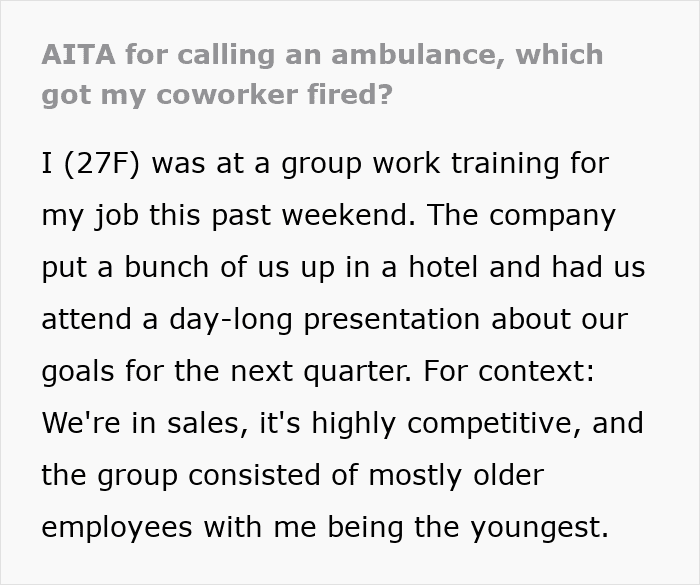
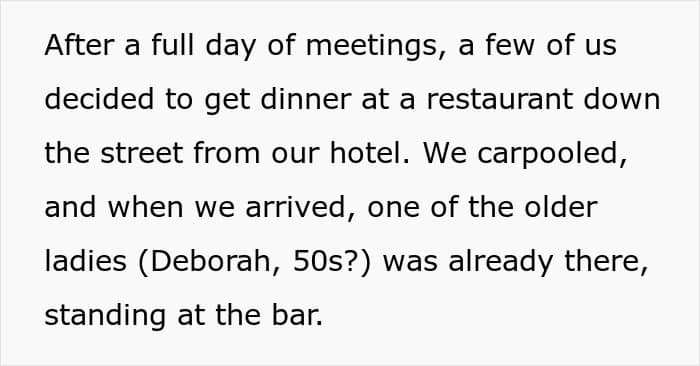



Image credits: Mikhail Nilov / pexels (not the actual photo)
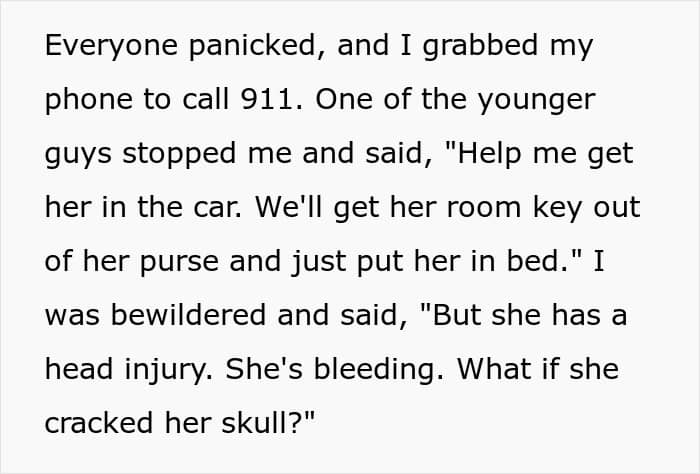
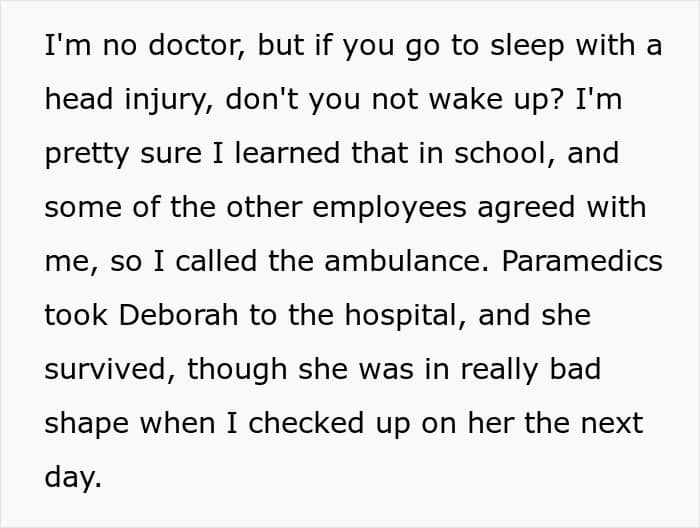
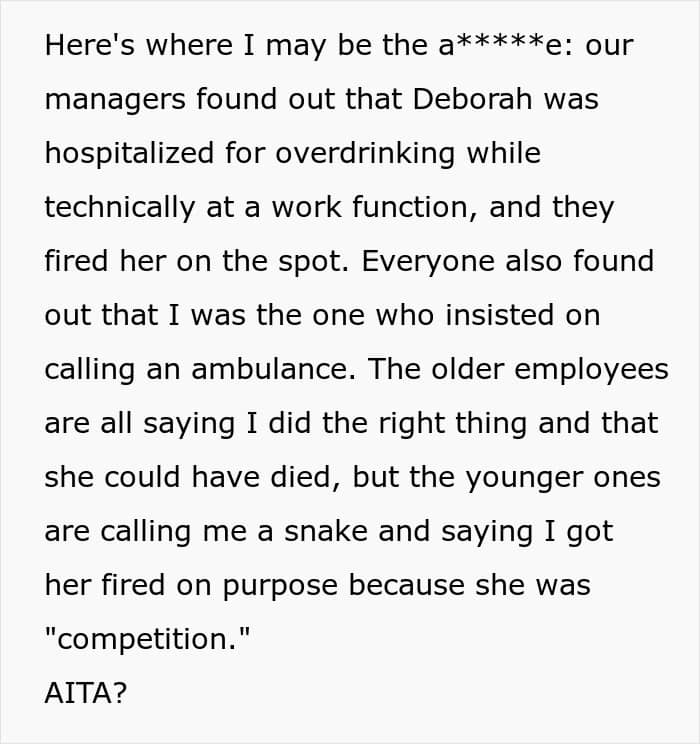
Image credits: Not_What_I_Meant0000
Sadly, this whole thing is indicative of a broader problem

Image credits: drobotdean / freepik (not the actual photo)
“Generational differences can significantly impact work relationships, as each generation brings its own unique experiences, communication styles, and values into the workplace,” Keith Spencer, career expert atResume Now—an online platform that provides useful tools and resources to job seekers—toldWe.
“These differences can also shape workplace expectations, leadership preferences, and approaches to giving and receiving feedback. To minimize misunderstandings, prevent unnecessary conflict, and avoid unfair stereotypes, employers should aim to prioritize open dialogue and foster an inclusive environment that values diverse perspectives,” Spencer said.
Interestingly, one report discovered that well-behaved employees are usually low-level or junior staff members who earn less than $100,000 a year.
The more senior or high-paid an employee is, the more likely they are to misbehave during a work trip.
For instance, 25 percent of managers and supervisors admitted to spending company money on unapproved things, compared to 18 percent of more junior employees. Leadership also visited strip clubs (30% vs. 17%), used marijuana (30% vs. 21%), and got drunk at work events (34% vs. 27%) at far higher rates than the rest of their staff.
The researchers behind the study assume that managers may be more likely to commit these acts because they feel as though they are the ones in charge, with no one else above them to check their actions.
Also, they typically have to “wine and dine” clients or potential business partners more often than the rest of the employees and may feel pressured to engage in such activities as part of the “deal-making” process.
Whatever the reason, management appears to be very good at getting away with their crimes—while 62% of people have seen their colleagues get drunk during a work event, only 34% have reported seeing management do the same.
The lady should have realized that, sooner or later, if she continued going down that path, her secret would come out.
On an organizational level, “workplaces looking to bridge generational gaps and enhance teamwork can benefit from a number of intentional strategies.”
“Promoting knowledge sharing through cross-generational mentorship programs and team learning opportunities, encouraging open communication, offering diverse communication tools to suit different preferences, recognizing and leveraging individual strengths, and providing flexibility in work practices can improve a multi-generational team’s ability to collaborate effectively and achieve shared goals,” the career expert explained.
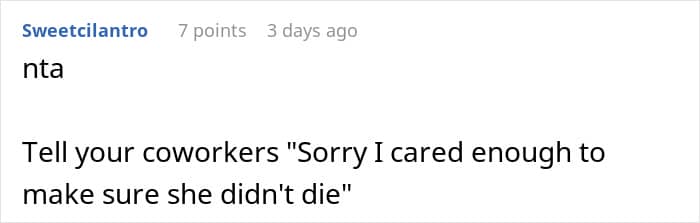
The woman said it’s been a real mess
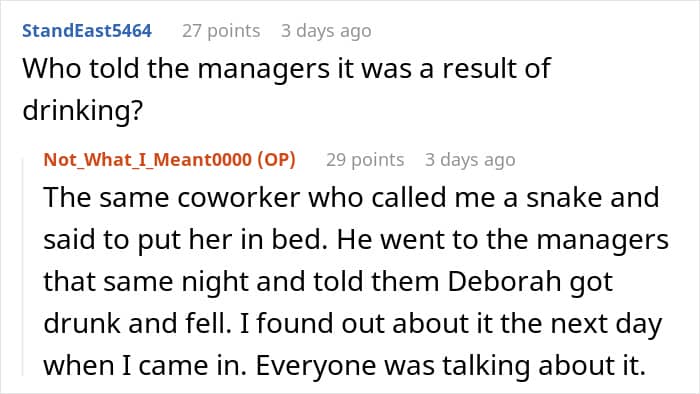
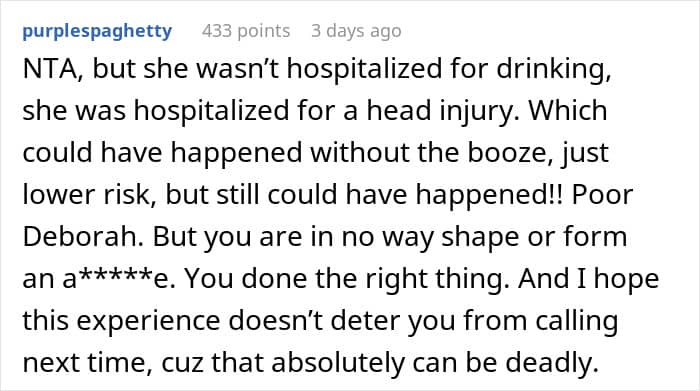
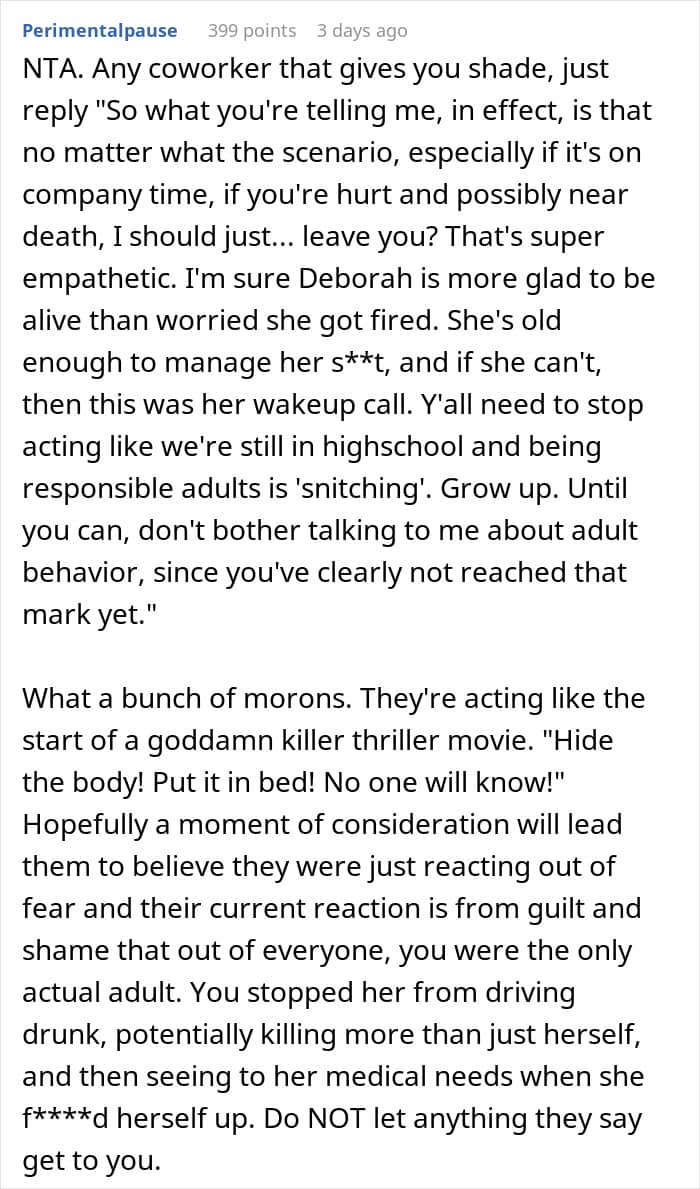
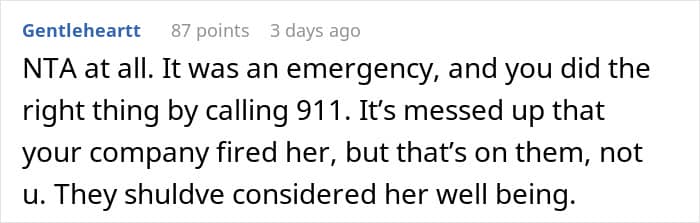
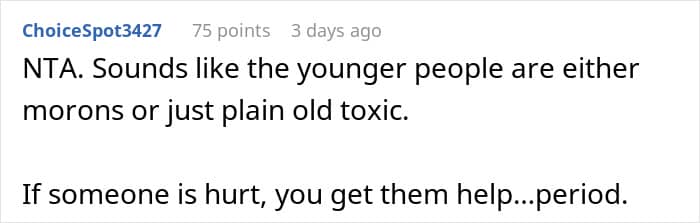
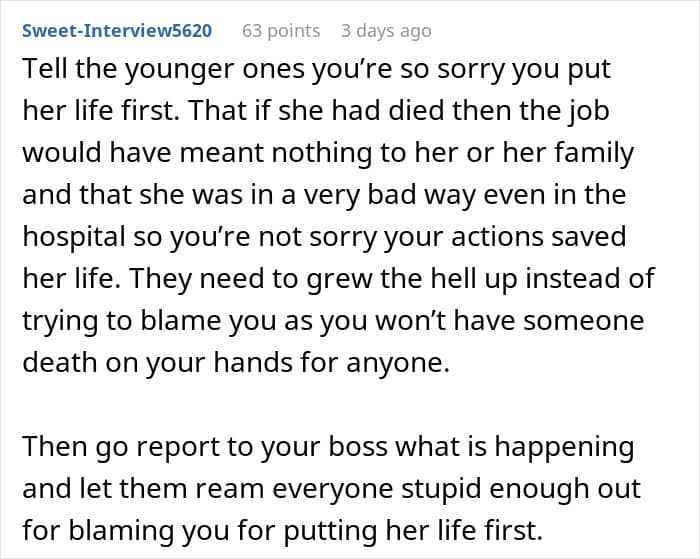
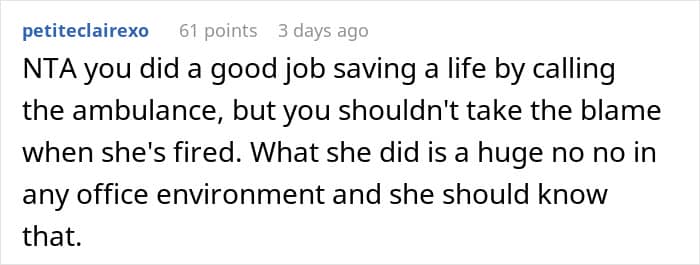
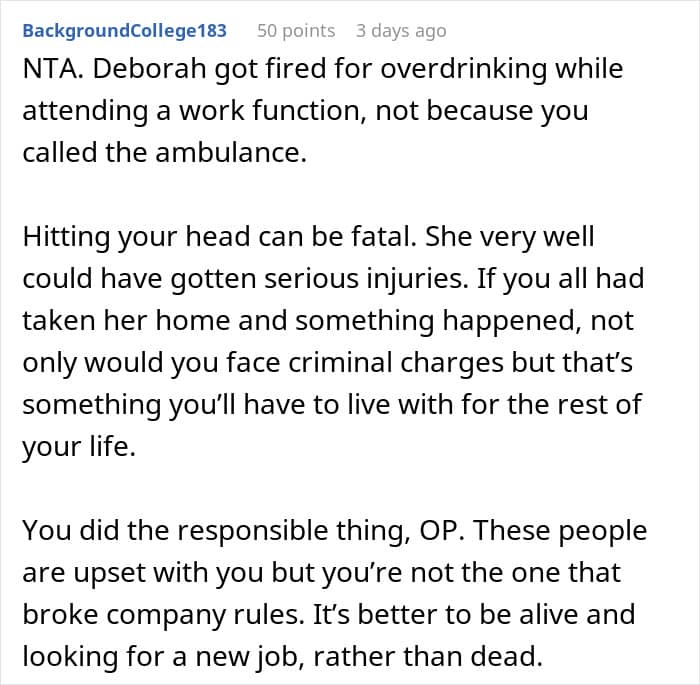
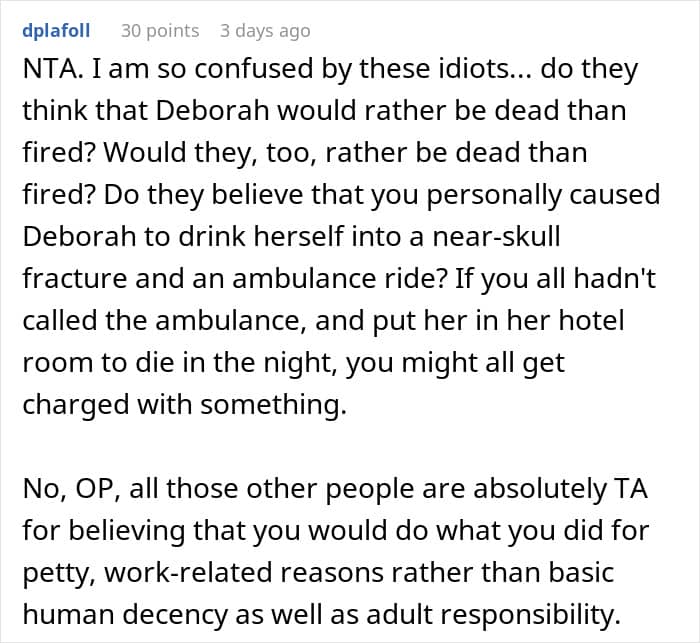
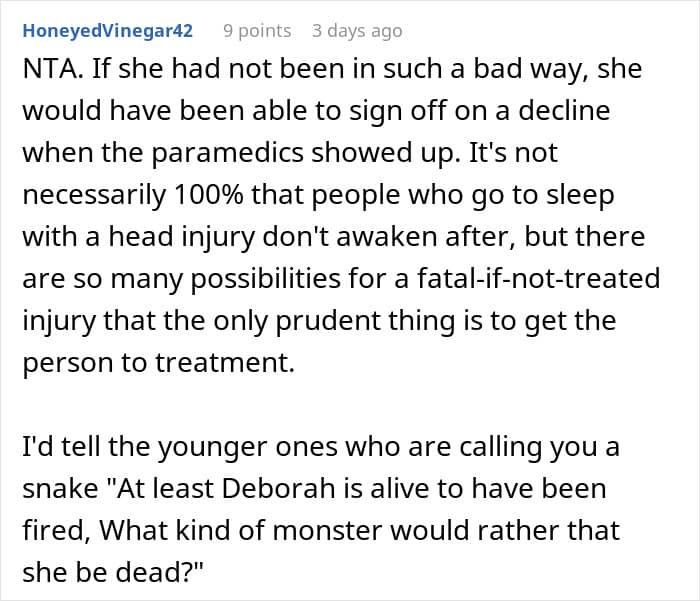
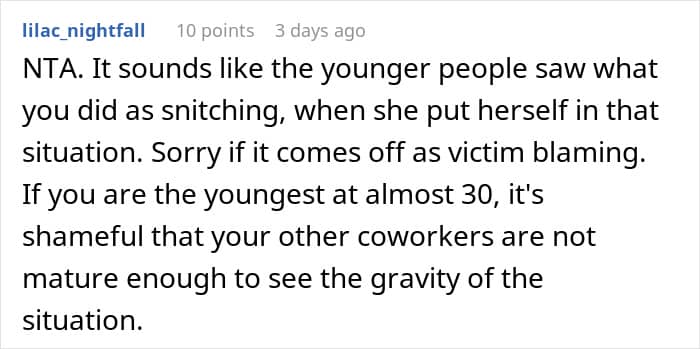
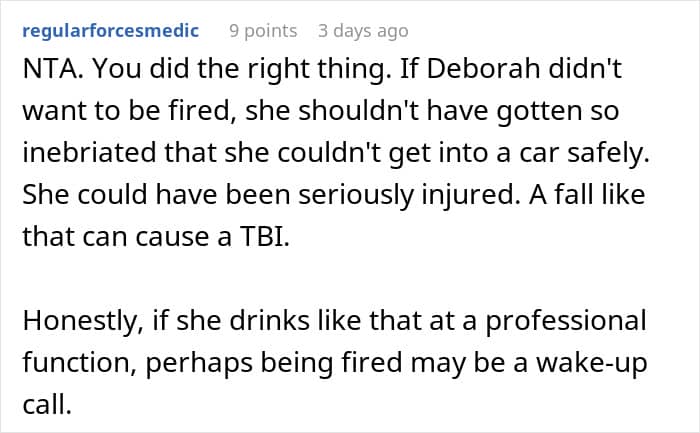
And people reassured her she did the right thing