
In a perfect utopian world, everyone would live in peace, and everyone would have someone to love and someone who loves them. Sadly, we don’t live in such a place.
Instead, quite a few people in this world don’t even get such a simple – but important – thing as parental love. And that shapes them for their whole life, which can easily be seen with the naked eye, as today’s list shows. So, let’s jump in and see what those signs are, shall we?
More info: Reddit
#1

You can usually feel it in the way someone protects their heart. They often carry that quiet ache, like they’re still waiting for someone to prove they’re safe.
They might apologize too much, try too hard to please everyone or shut down the moment things get too real. Deep down they’re scared that if people really see them they’ll leave.
#2
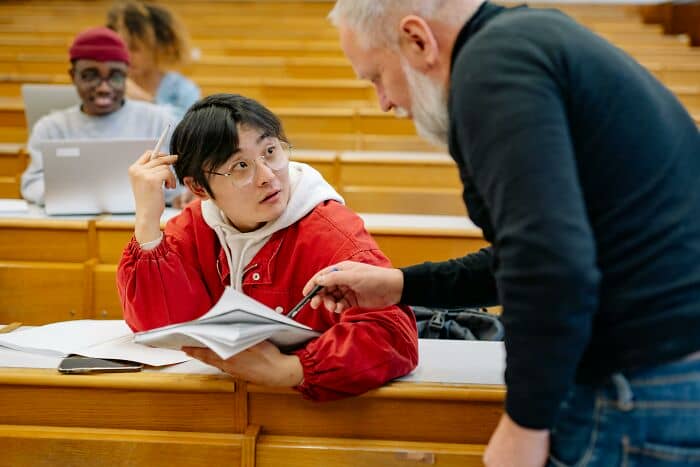
Hyperindependence. Low self-esteem. Overachieving.
#3

As someone who was severely neglected as a child, I struggle with asking people for the smallest of favors or most miniscule effort of help. I always feel like I’m bothering people and I feel like what I’m asking is absurd.
It’s rather common to express an opinion that all kids deserve love. But the thing is that it’s not really just an opinion – it’s a straightforward fact. Apparently, love is a “secret ingredient” in raising a kid into a properly functioning adult.
Basically, how it works is that love, or in other words, the caring attention of a kid, brings a lot of benefits to their development. For example, it makes their brain grow. Literally. Research shows that children of mothers who supported them through difficult tasks had a bigger hippocampus.
#4

Hating things like Christmas and their Birthday. They’re so used to being let down in these situations, so they hate to even think about it.
#5
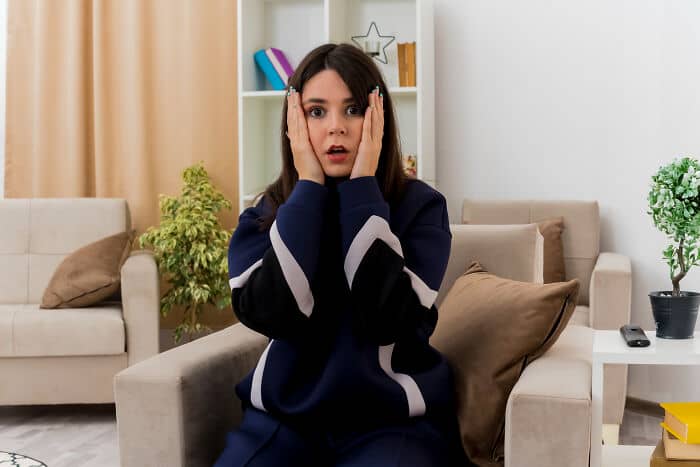
They panic way more than they should at small mistakes.
#6

Overly apologetic. Low self esteem. Trying to make bad relationships work because you just want someone to love you for who you are.
This is significant, as this part of the brain controls how a person learns, how much they can remember, and even how they handle stress. Thus, even the simple support of parents gives so many benefits.
And that’s not even all. Aside from the hippocampus size improvement, receiving love can also increase a kid’s self-esteem. As you probably already suspect, the more love and support a child receives, the stronger their self-esteem gets.
#7

Feeling stress accepting gifts because to them it means they owe that person something in return. Yeah, that’s me. .
#8

Extremely independent and anxious at the same time.
#9

They seek out relationships that are also more one sided (as in they continue to not be loved properly)
Sometimes they’re actually turned off by the person liking them “too much” as that must mean there’s something wrong with that partner.
Similar things apply to many other areas – the more love a kid gets, the better they are at something. Even with their health. A kid who didn’t get that much deserved love has a higher chance of developing various problems like cardiovascular disease, cholesterol issues, stroke, diabetes, and so on. Pretty dark, isn’t it?
Well, not only is health affected by a lack of attention as a child. As our list shows, there are many ways the rest of a person’s life is affected. From full-blown mental health issues to other, more minimal ones. For instance, having “quirks” like being overly apologetic or hyper independent.
#10

They across as though they need to buy affection or love through acts of service or gifts. They cant accept someone loves them regardlessof what they can do for them.
#11

As I have observed it, self-centeredness. Not selfishness; but if nobody in your life takes care of you, then you have to do it yourself, and it becomes a survival thing.
#12

Self doubt, it’s a huge part to play. A lack of confidence and distancing. Struggling to maintain relationships and opening up.
You might think that in some cases these “quirks” can be rather useful, and they can, but at the same time, they can also be rather upsetting in other situations. Especially knowing that they come from the trauma of not being properly loved.
The good thing is that being an unloved child doesn’t make you a lost cause – there are ways to heal. As you can probably guess, one of the best ways to do so is through therapy. Well, there’s a reason it’s an answer to so many issues – it does work.
#13
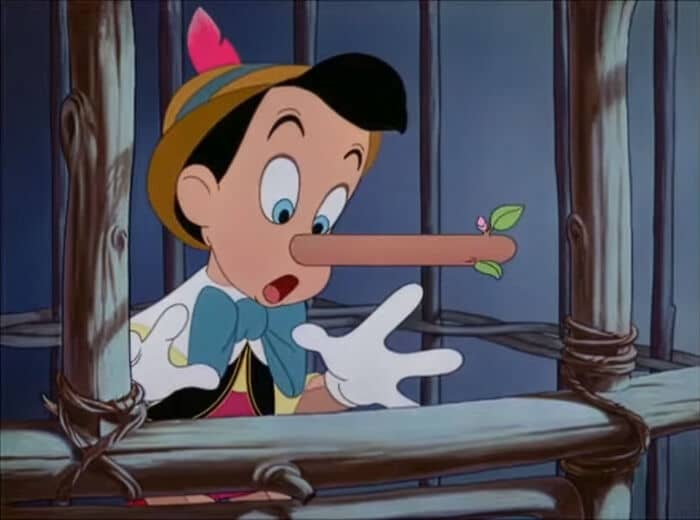
Lying as a stress response. Seeking out attention and validation like a substance.
#14

Always questioning themselves because of the need to be correct and not let anyone down!
#15

Not being able to accept that people like them in adulthood.
It can help a person to grow self-love, set needed boundaries, develop coping skills and self-awareness, and many other things. Basically, it provides a person with a safe space where they can work through their problems without judgment and with support.
That’s how they heal from a lack of love in their life and get ready to receive it in their current stage of life. After all, just because your parents didn’t properly love you, that doesn’t mean someone else will fill that gaping hole.
Have you ever noticed any signs that basically scream that person was unloved in their younger days? Please, share with us!
#16

I’ve never met a funny person that wasn’t completely and utterly broken as a child.
#17

Deflects conpliments, low self worth.
#18

He is a people pleaser, wears dull clothes not to attract attention, doesn’t try to engage well with others, has a very small group of friends he sticks to, always ready when someone makes a plan, overlooked at promotion and appraisal, gets into relationship with narcissist people but then repeats it with another
Source – Me .
#19

Seeing constructive criticism as proof you are an imposter.
#20

When they apologize after YOU bump into THEM. it’s like their soul’s default setting is “my bad for existing.”.
#21
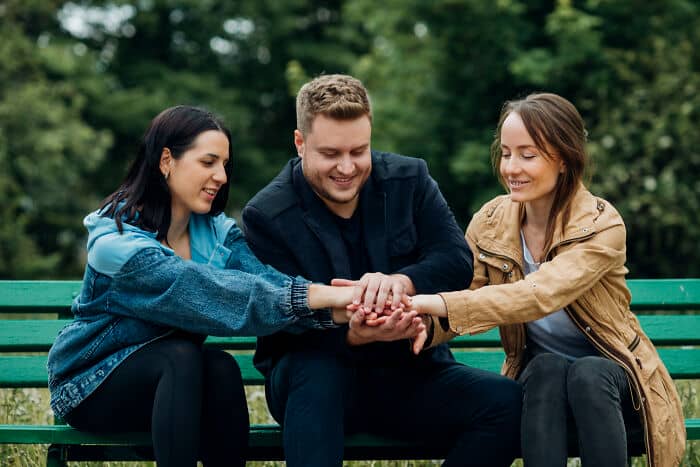
People who struggle to trust others or feel secure in relationships often had unmet emotional needs growing up.
#22

Avoidance.
#23

Minimally expressive, emotions are more of an abstract thought.
Unsure of how they should mask around new people so very slow to open up.
Adult children of emotionally immature parents was a good read for me.
#24

They cannot accept love in adulthood.
#25
Someone else’s parent sitting you down and stating “I like you but I’ve got my own sons” and realising why it needed to be said.
#26

Talking a lot and need validation.