A job interview can really test our nerves. Yes, doing your homework and rehearsing our standout performance can help, but while we can maximize our chances, we can’t prepare for everything.
“About 80% of interview questions are usually predictable, but there’s always going to be that one oddball question,” career coach Emily Liou said.
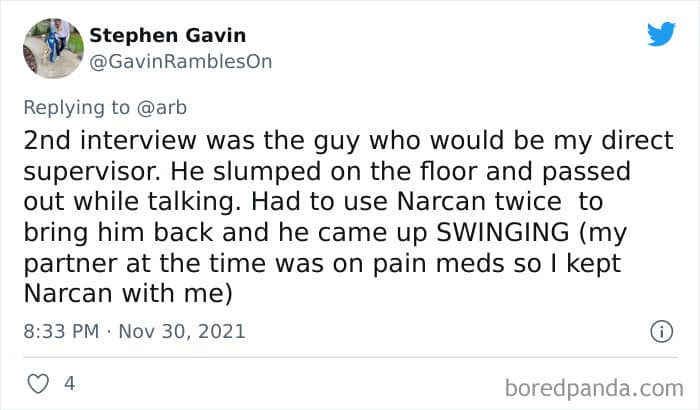
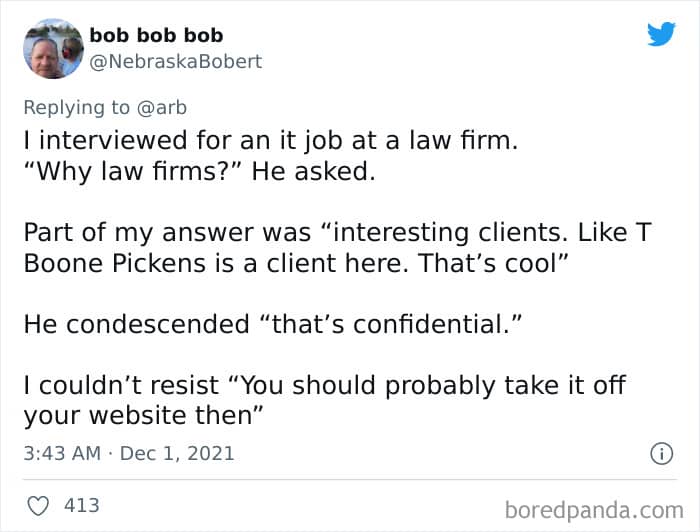
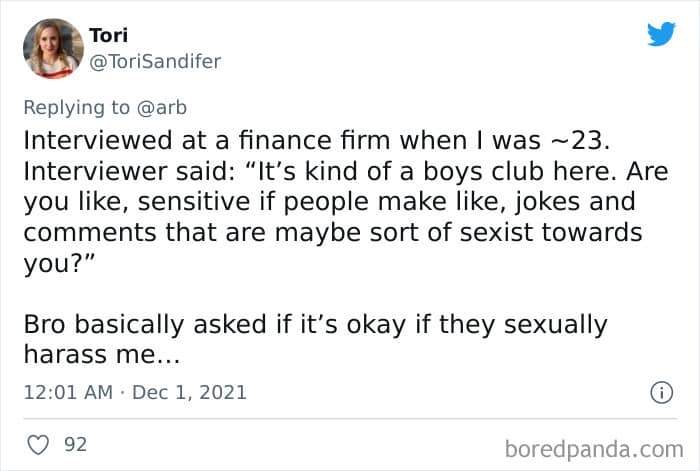
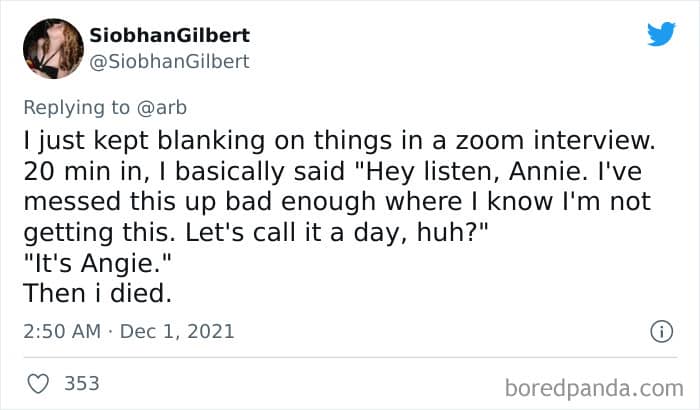
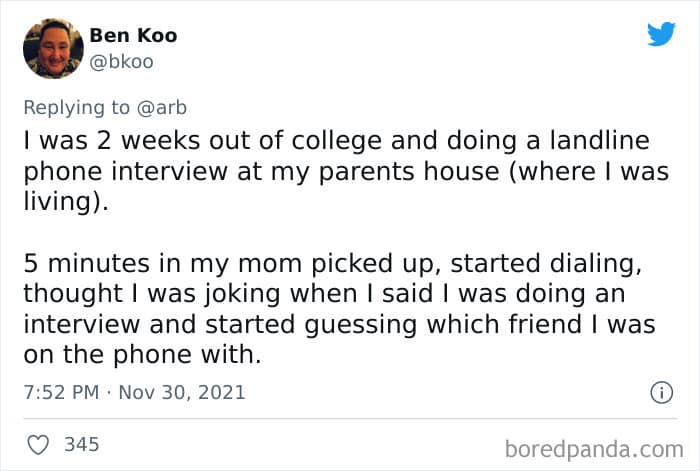
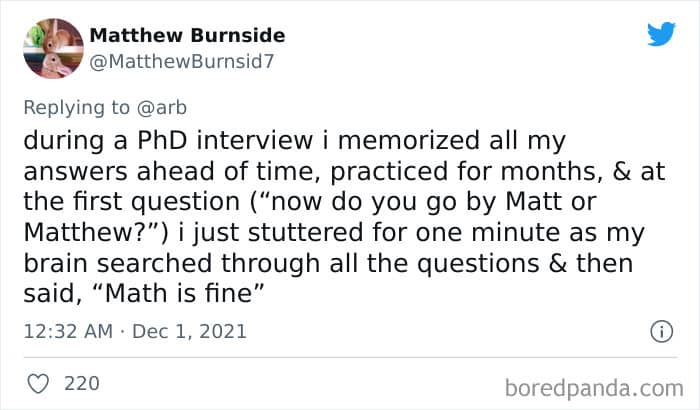
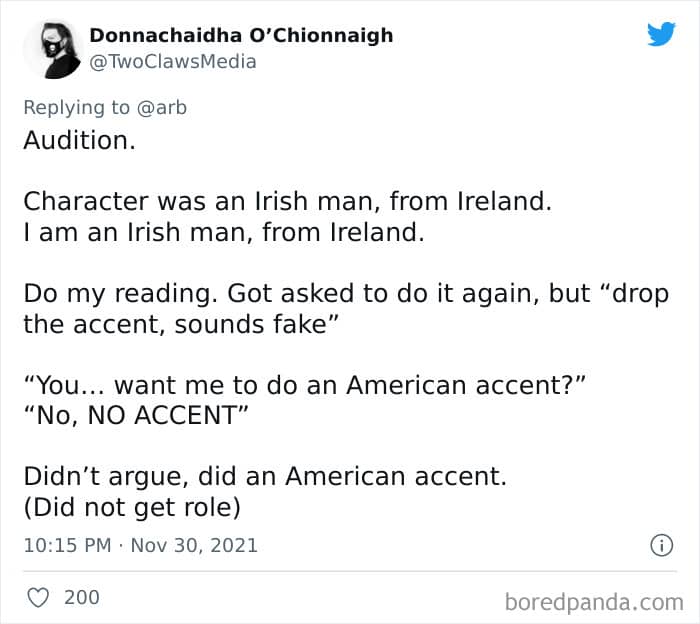
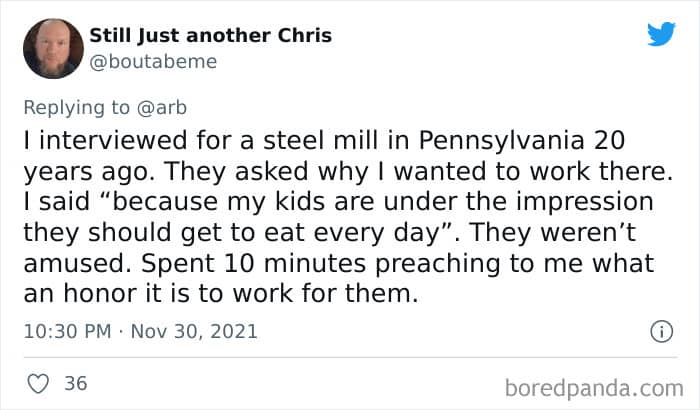
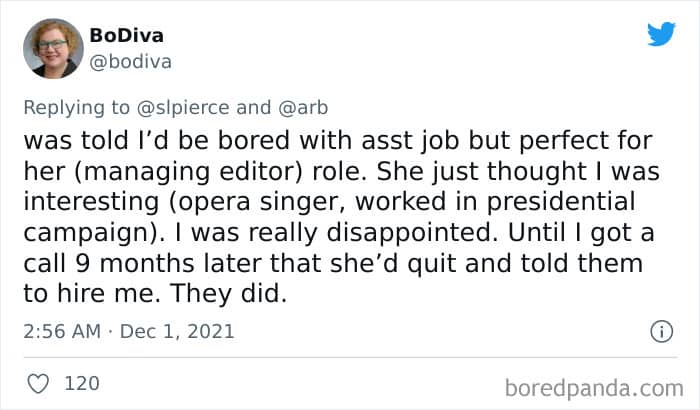
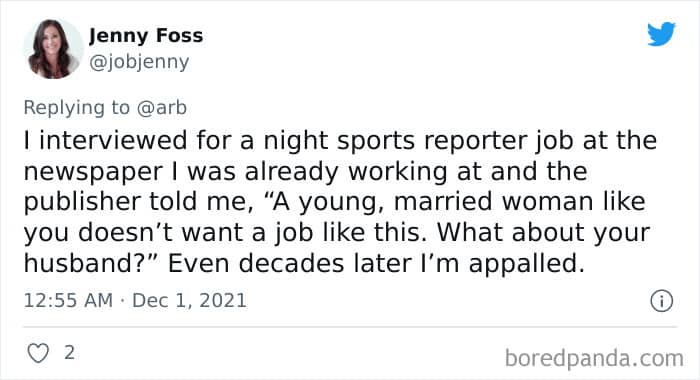
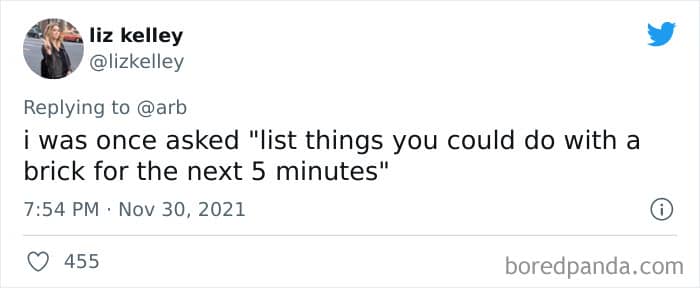
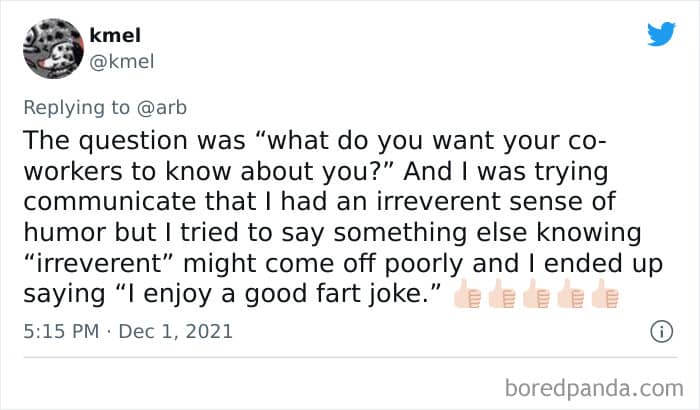
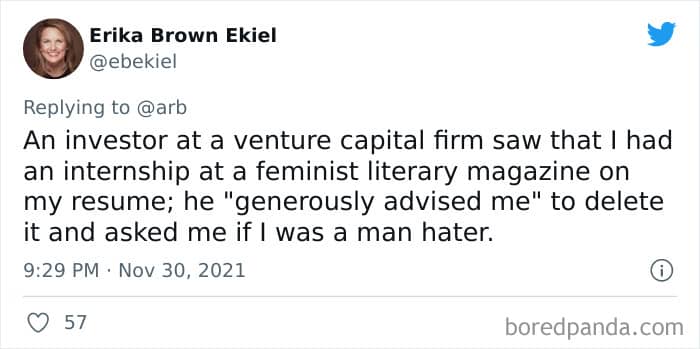
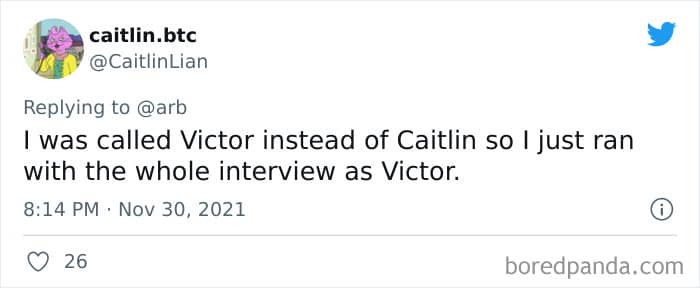
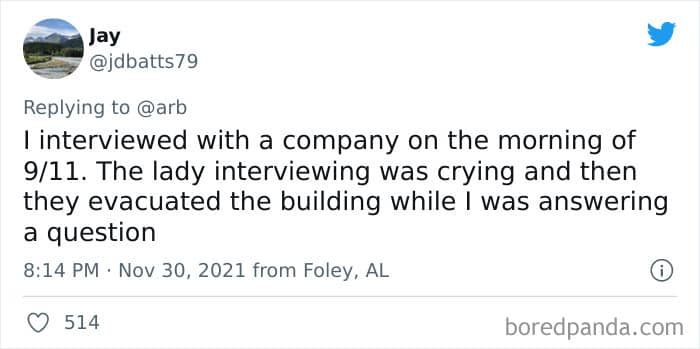
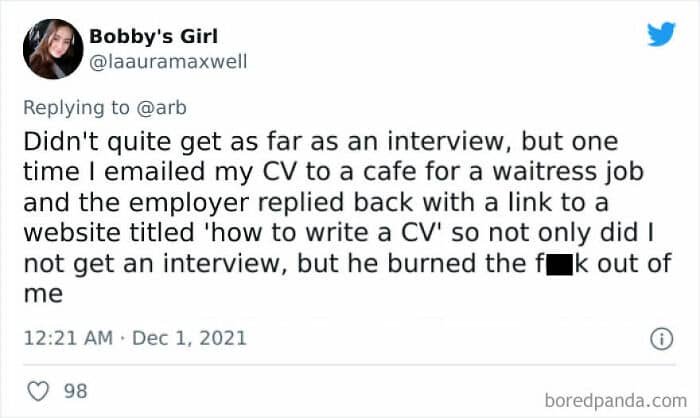
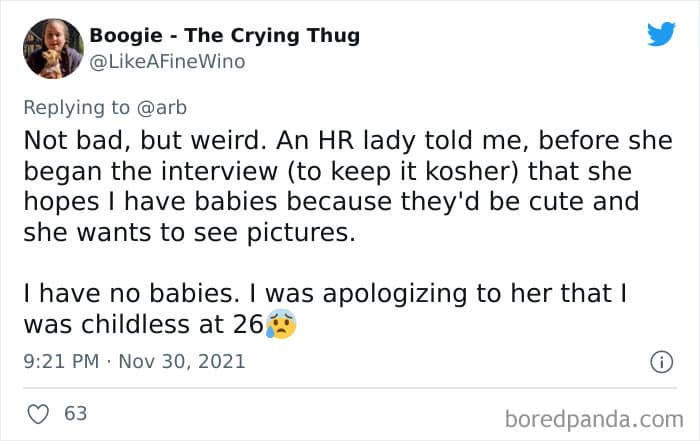
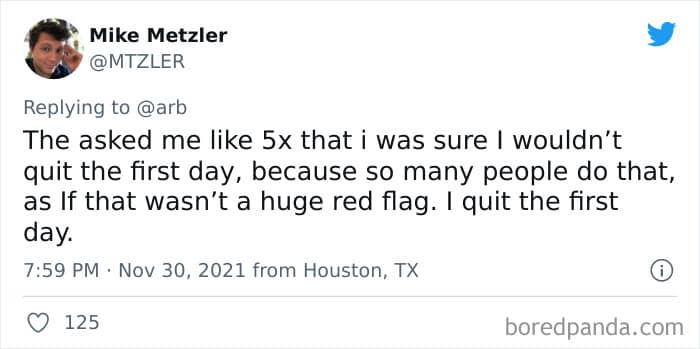
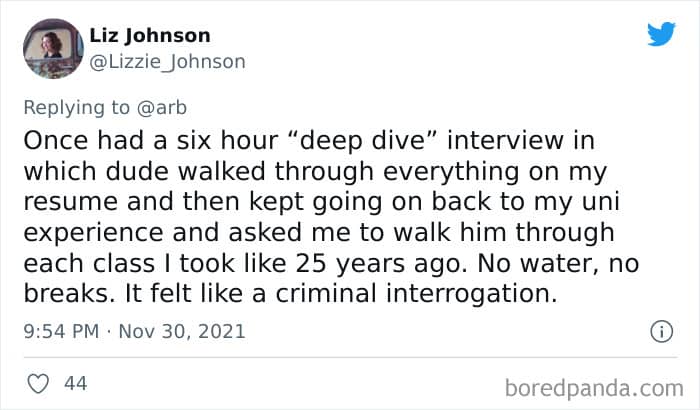
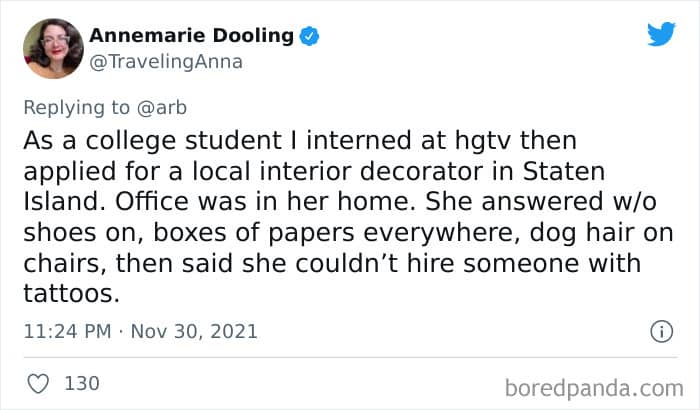
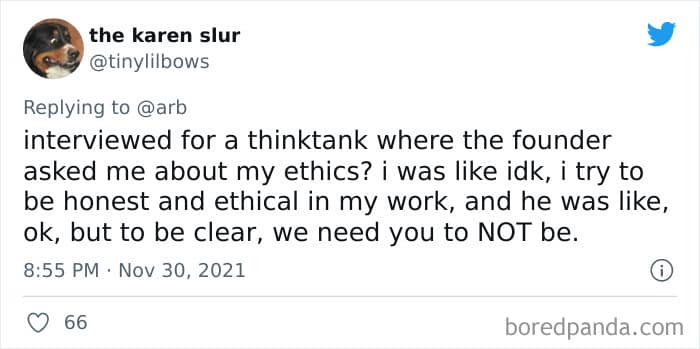
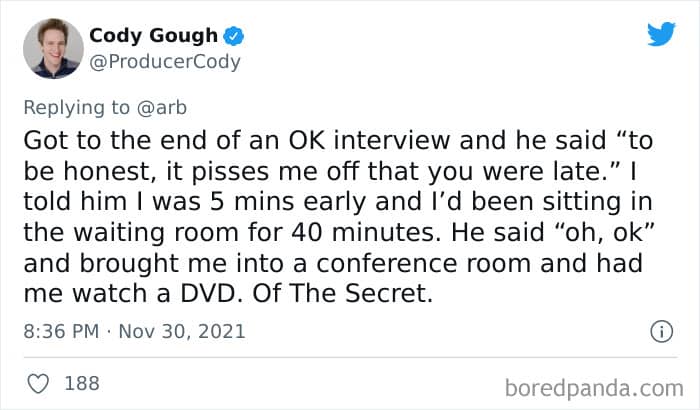
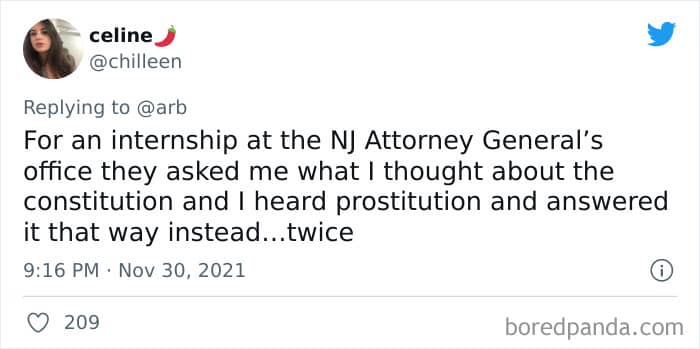
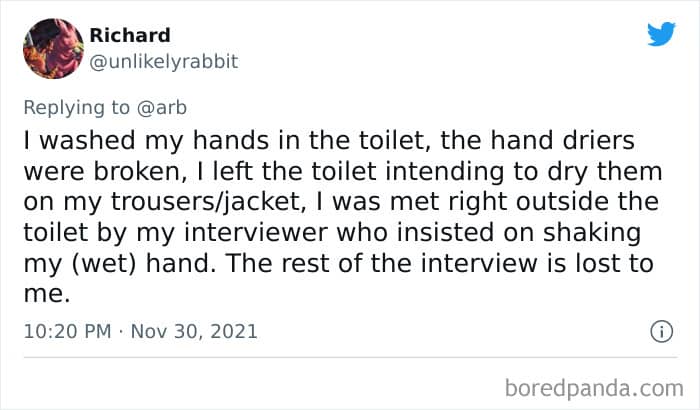
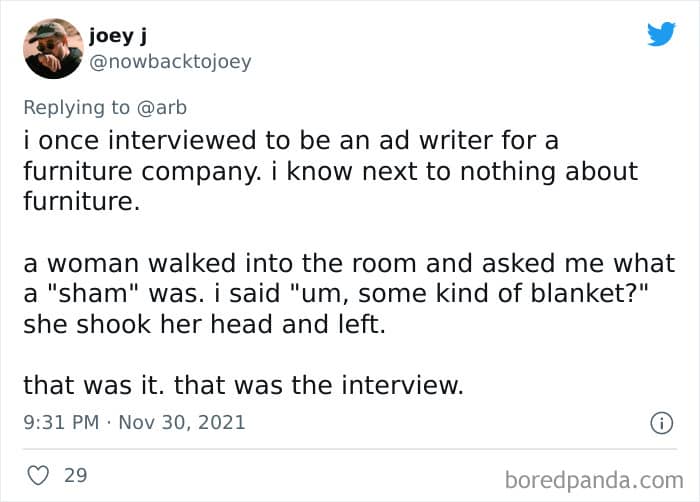
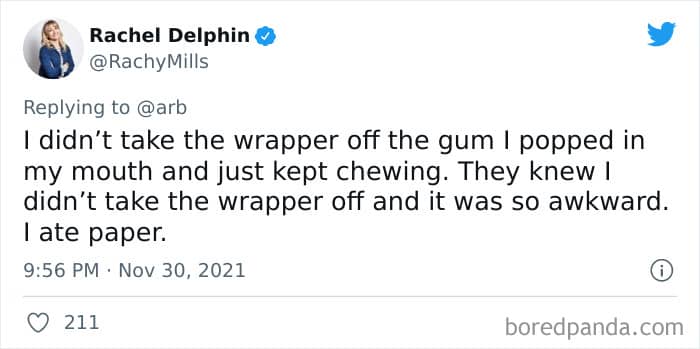
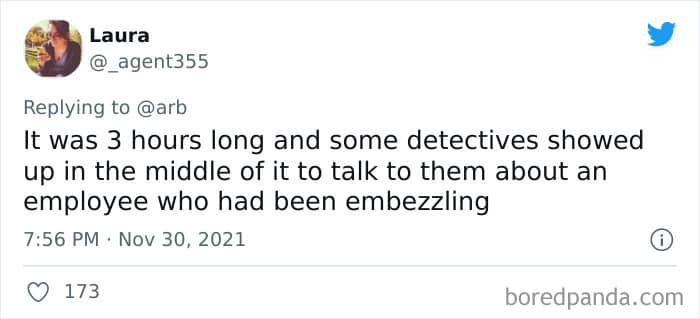
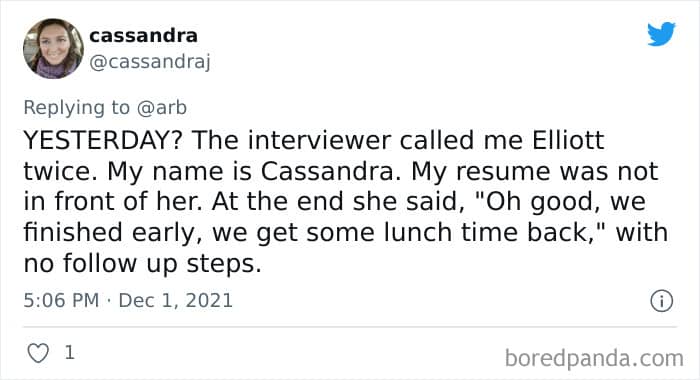
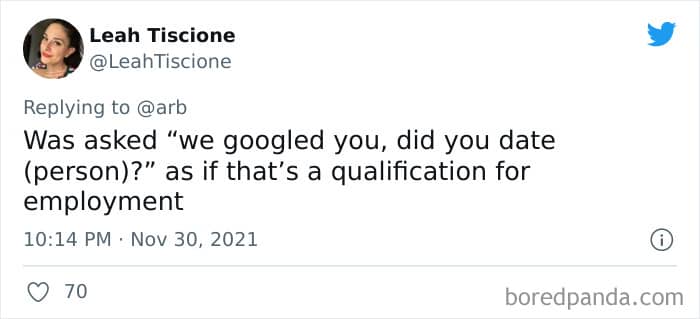
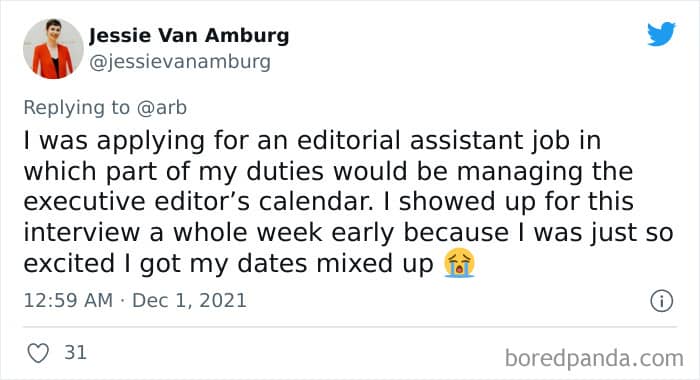
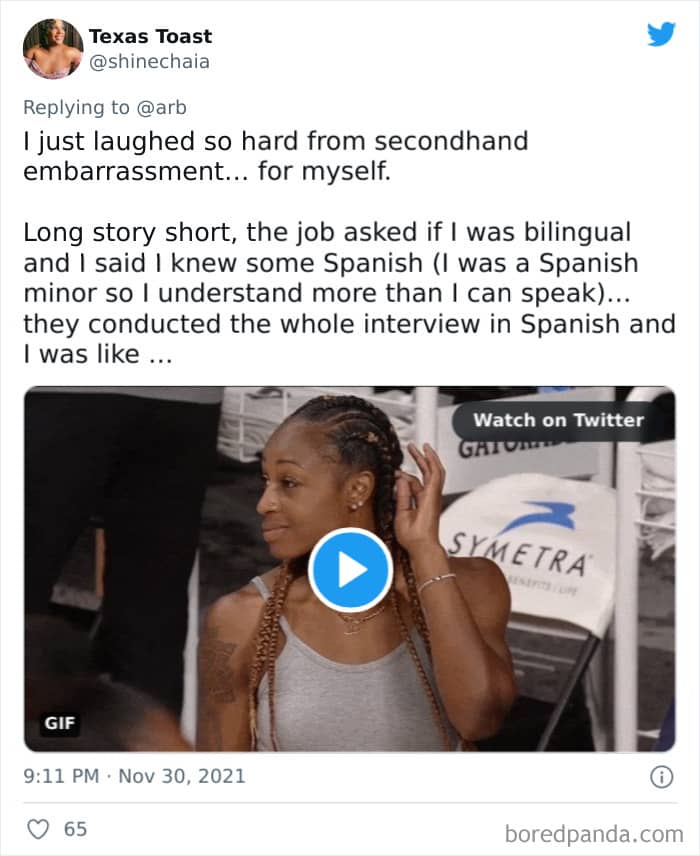
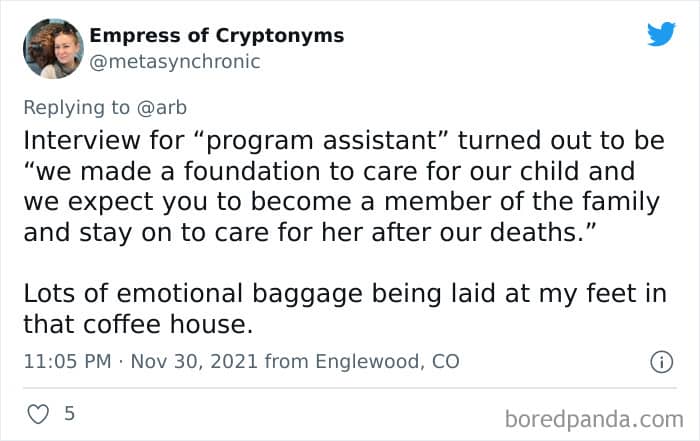
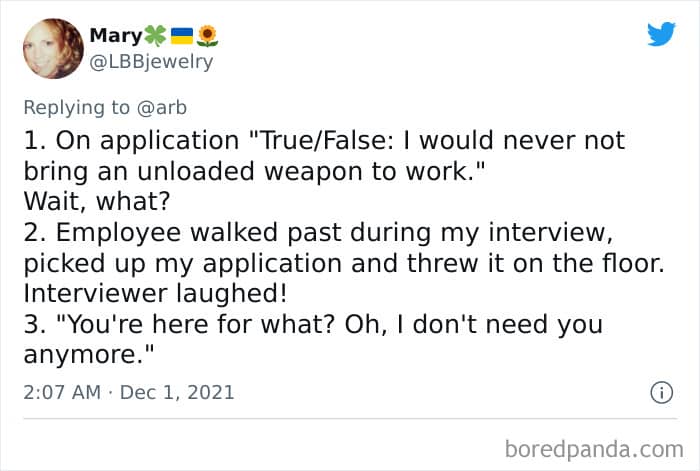
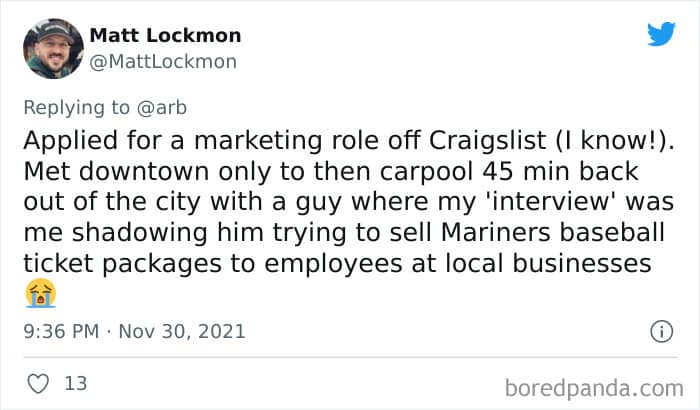
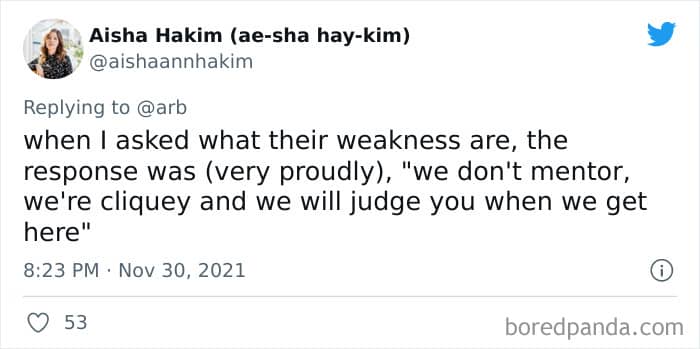
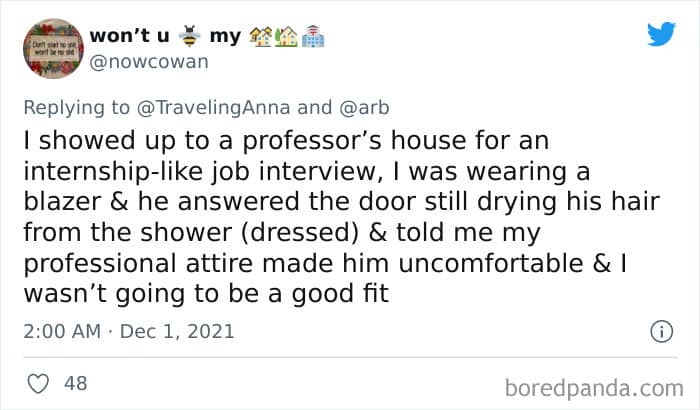
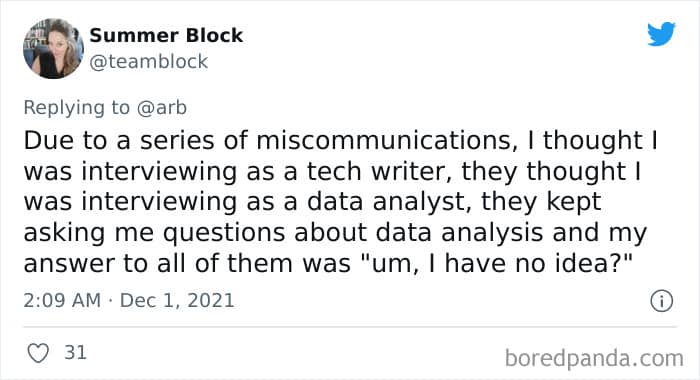
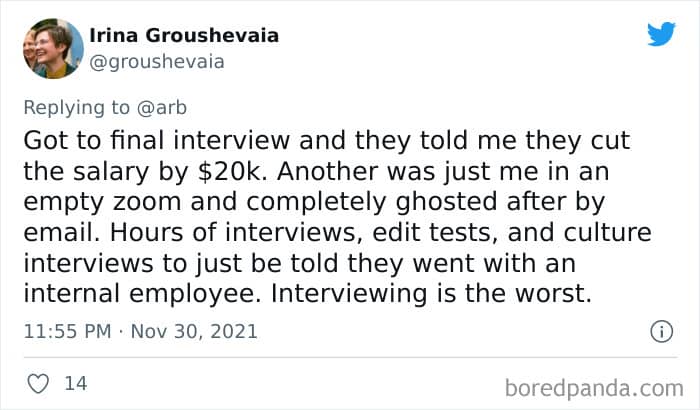
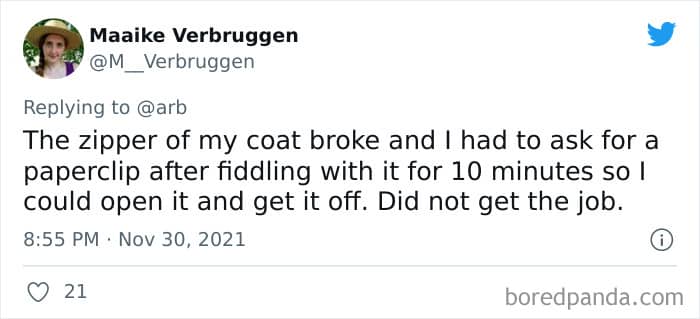
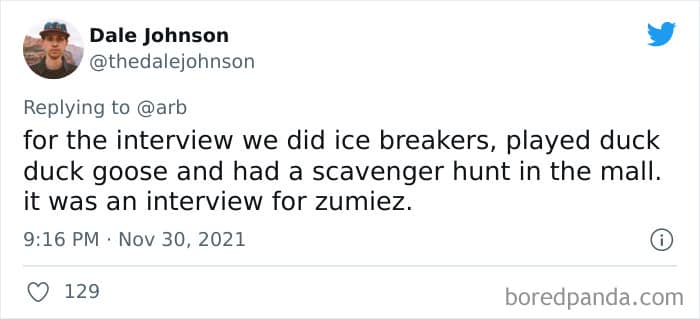
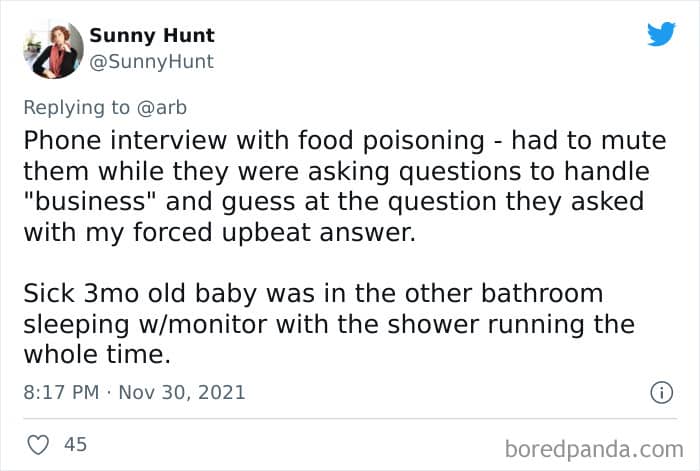
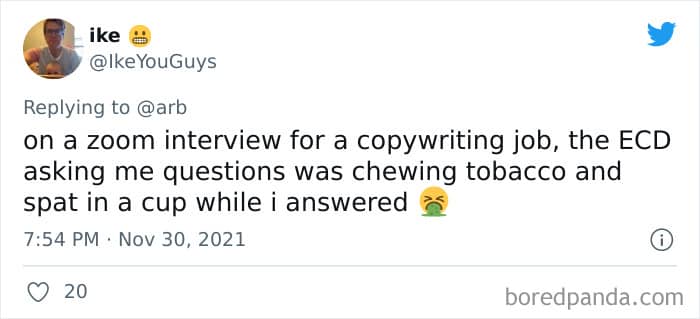
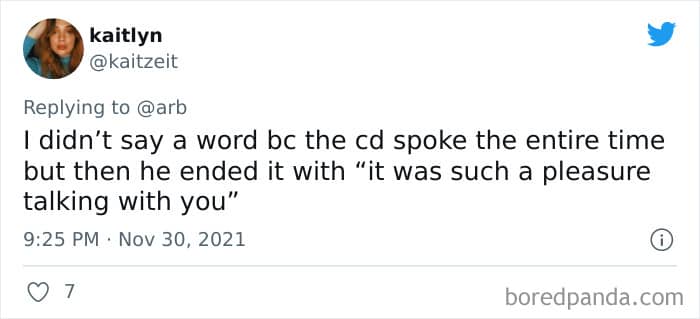
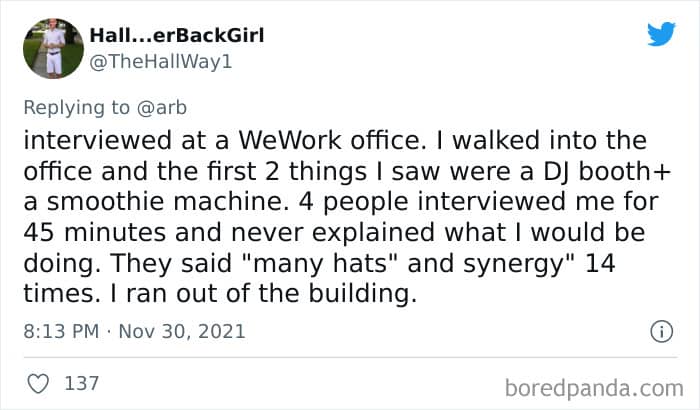
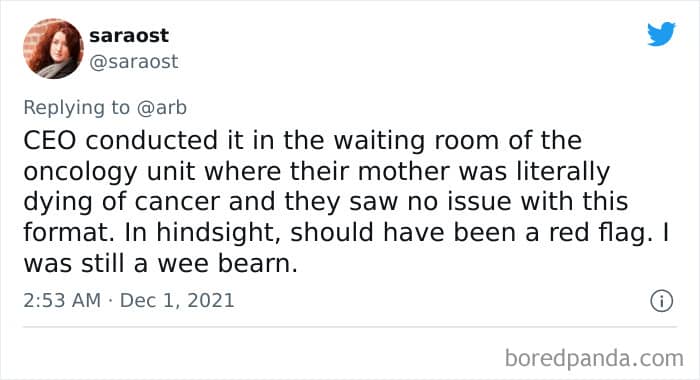
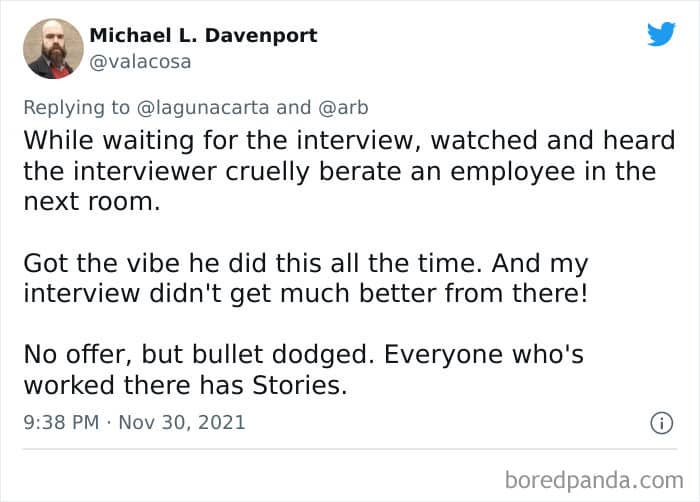
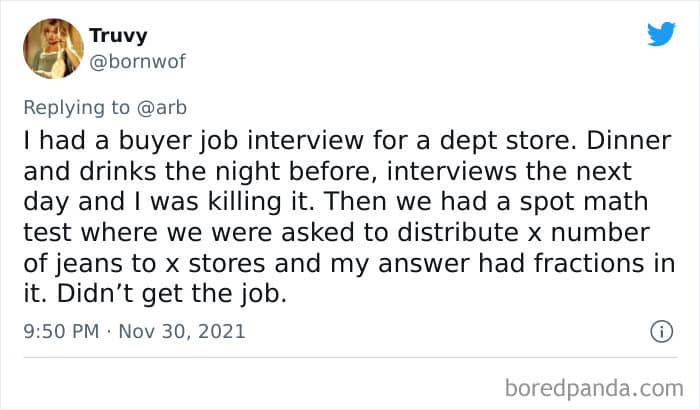
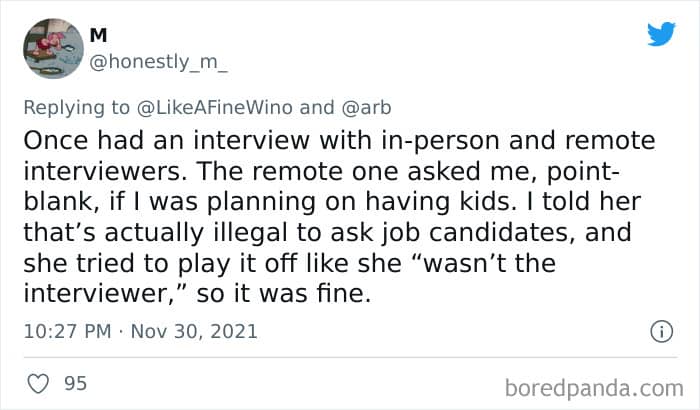
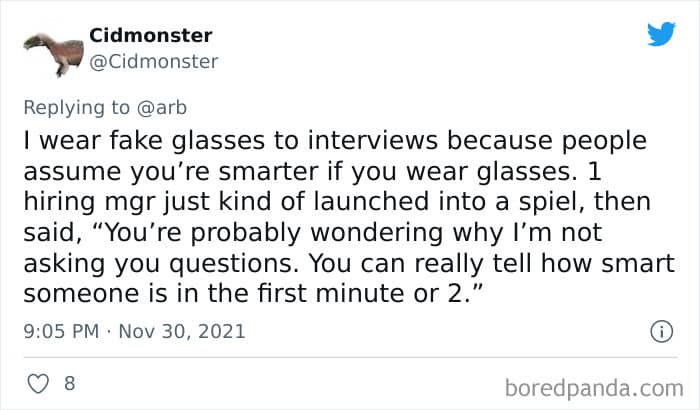
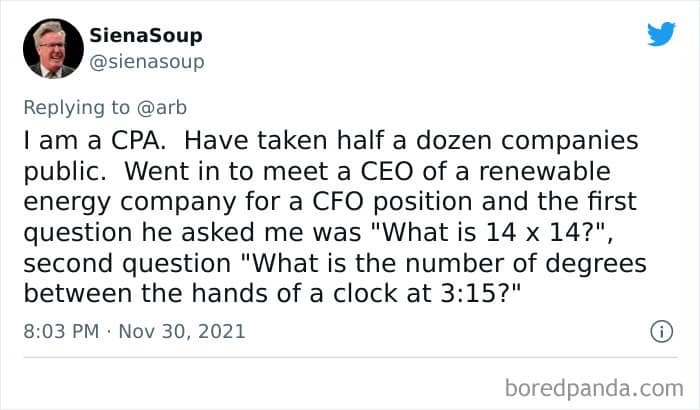
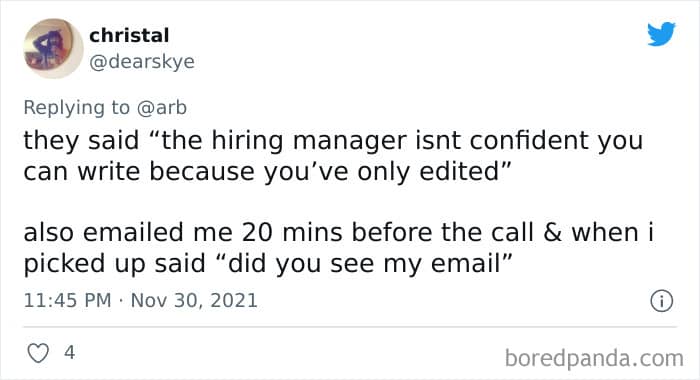
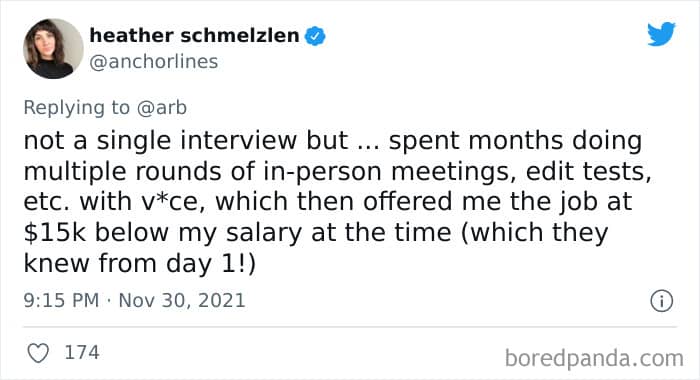
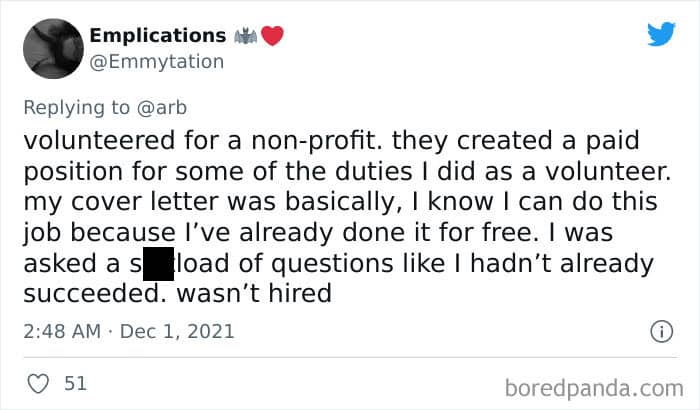
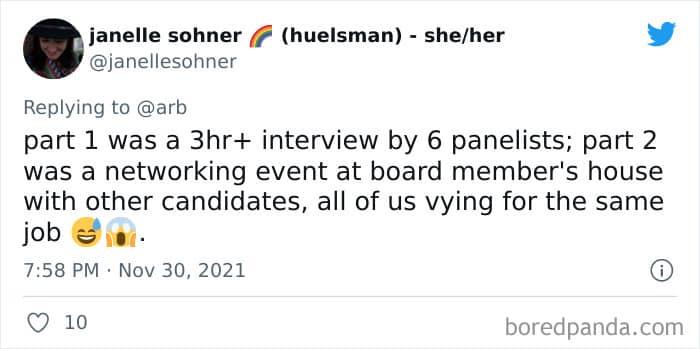
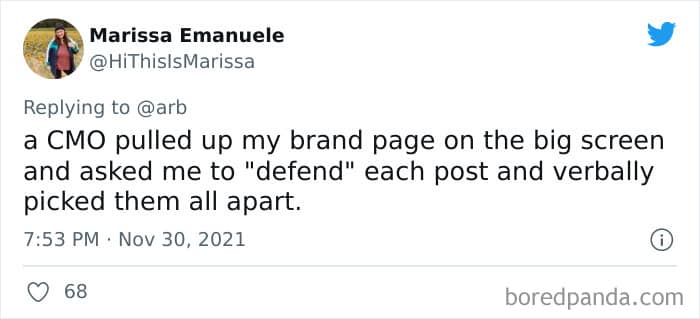
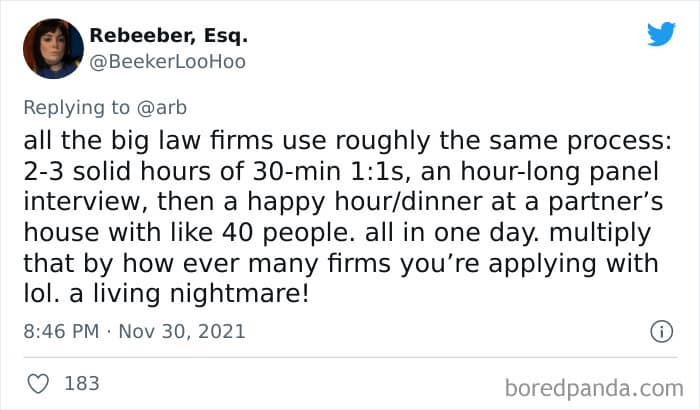
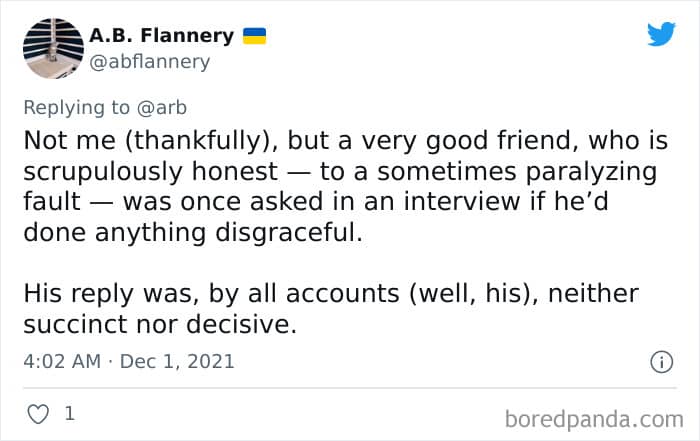
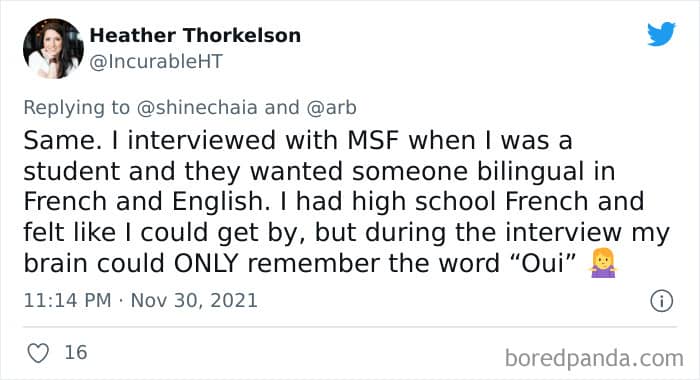
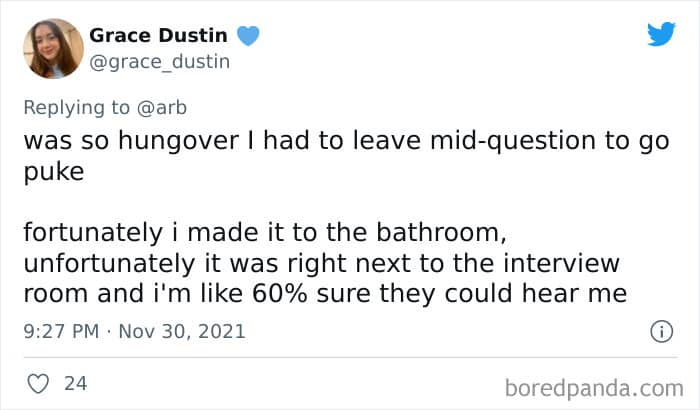
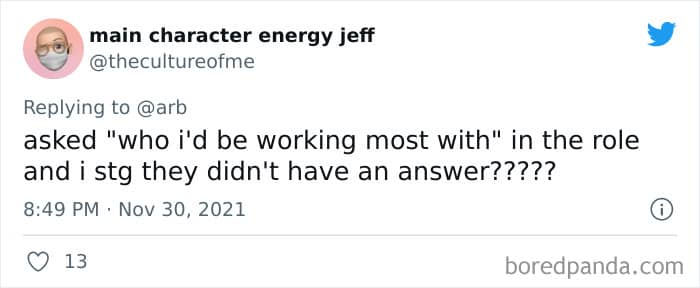
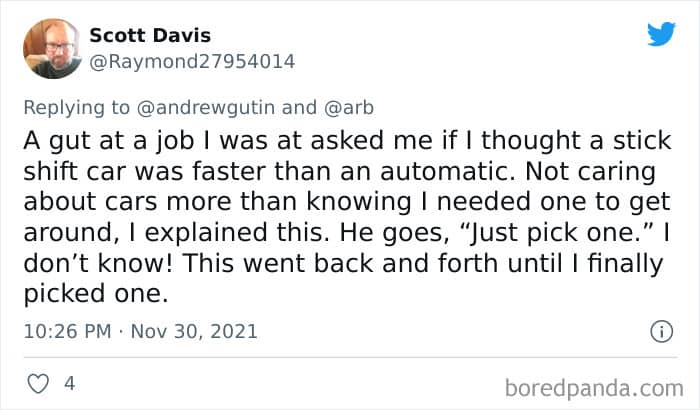
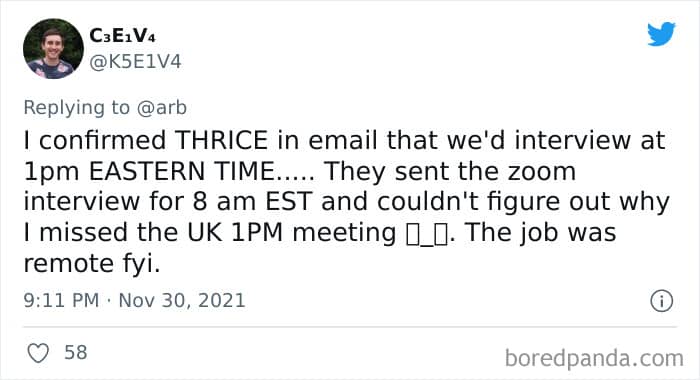
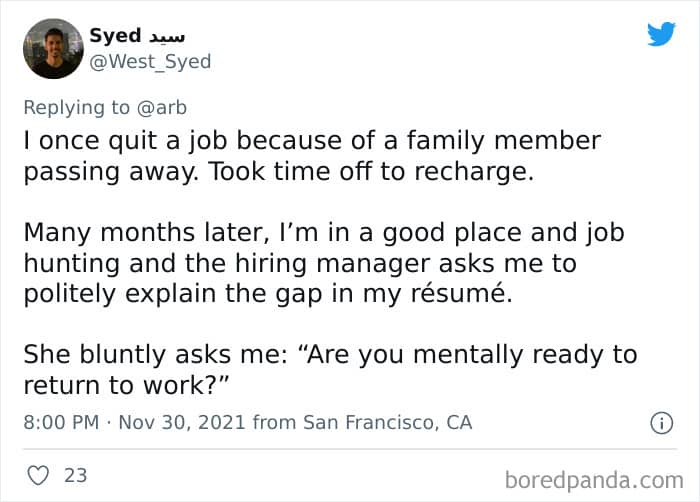
And nothing illustrates this better than one recent Twitter thread — it started when Amy Brown from California, seeking moral comfort, asked other users to share their worst job interview stories. Turns out, it was all they needed. Recruiters and applicants alike immediately started describing the trainwrecks they were a part of.
More info: Twitter
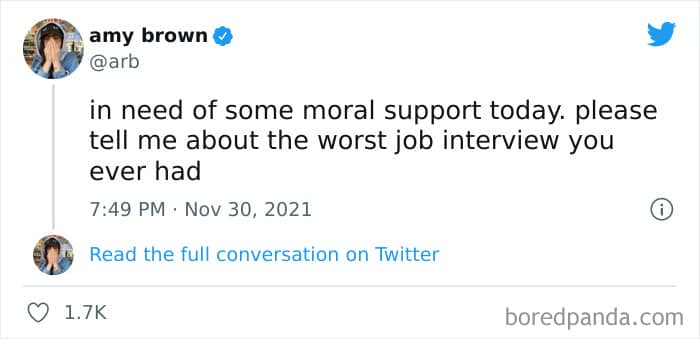 Image credits: arb
#1
Job interview and career coach Margaret Buj, who has helped thousands of people around the world get hired or promoted, thinks that apart from doing thorough company research and spending some time thinking about how your experience and skills match the requirements of the role, standing out in job interviews is actually pretty simple.
“Always back up your answers with examples, quantify your answers as much as you can and make sure you have a few examples prepared of what you’ve done in your current/previous job that would benefit the employer you’re interviewing with,” Margaret told We.
“If there is one thing most of my clients have in common is that they struggle with answeringcompetency or behavioral interview questionsduring job interviews,” Margaret explained.”The questions will start with ‘Tell me about a time…’ or ‘Describe a situation…’ and then you might be encouraged to elaborate further with questions like ‘So, what were you thinking at that point?’ or ‘What was your decision-making process?’The interviewerwill try to establish what benefits you will bring to the company and why the benefits you offer might be more appealing than those of other candidates.”
#2
#3
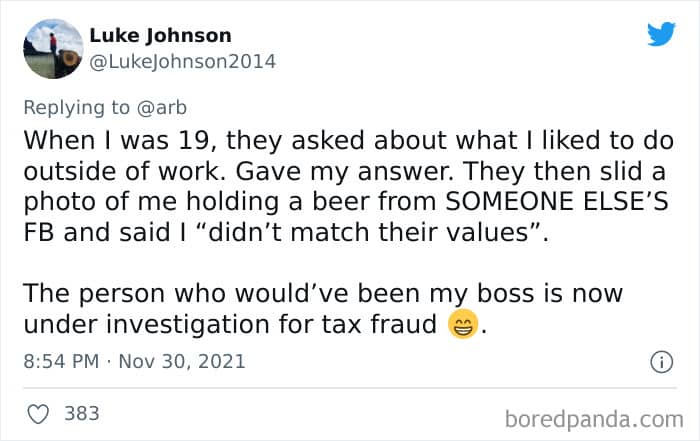
A survey done by researchers at Everest College found that 9 in 10 employed adults fear at least one thing about the job interview process.
Ironically, many are worried that they’ll come across as nervous. 17% of respondents stated having the jitters as their top concern, followed by being overqualified for the job (15%), being stumped by the employer’s questions (15%), being late for the interview (14%), being underqualified (11%), and not being prepared (10%).
“For so many, the job interview can be a high-pressure, make-or-break event when searching for a job, so it’s only natural that anxiety can play a major factor,” survey spokesman John Swartz, regional director of career services at Everest College, said. “Everyone is different when coping under the pressure, but the best advice to help manage job interview fear is to simply be prepared. Conducting research, anticipating questions, and acting professionally are staples that will stand the test of time, regardless of the latest job interview trends.”
#4
#5
Luckily, Jody Michael, the CEO & Founder of Jody Michael Associates, a company that specializes in executive coaching, leadership development and career coaching, said there’s an effective way to overcome these anxieties, one that she practiced personally when she worked in the corporate world and has been coaching her clients to do the same for over than 20 years.
“My advice is to prepare for your interview just like you prepared for your multiplication quizzes when you were a kid: with flashcards,” Michael wrote. “Get a pack of five-by-seven lined index cards. On the blank side, write down the interview question. On the lined side, write your answer — how you would speak it, not like you’re writing a paper.”
#6
#7
Michael suggests starting with the most common interview question: “Tell me about yourself.” But also include obscure ones like, “What book are you reading right now?” that recruiters might use to throw you off. If you need inspiration, you can look for questions online, or think back to the previous interviews you’ve had.
“Your deck should include anywhere from 50 to 100 questions with varying difficulty,” Michael said. “Once you have the cards written, practice speaking the answers out loud. Include keywords that will help remind you of the answers.”
#8
#9
#10

#11
The good thing about creating these flashcards is that the process doubles as a self-reflection exercise to help you understand who you are and how you want to communicate that to others.
Your answers will help clarify these questions for the interviewer:
• What is your value?
• How can you contribute to the company?
• How well do you fit into the company’s culture?
• Are you competent in what you say?
• Are you trustworthy?
#12
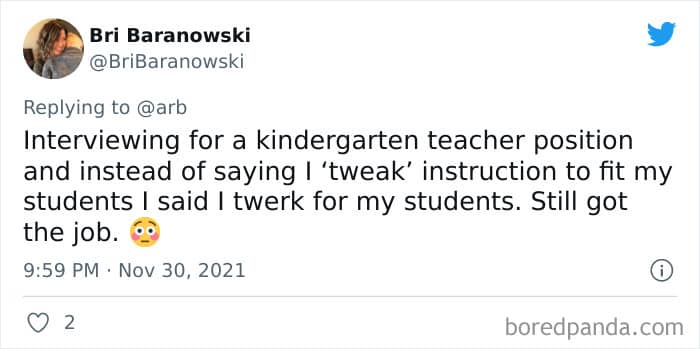
#13
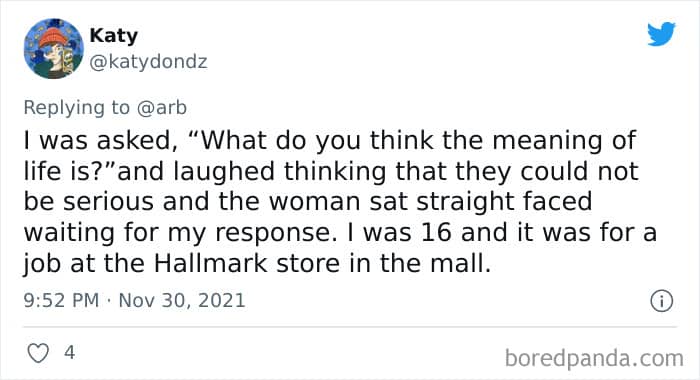
#14
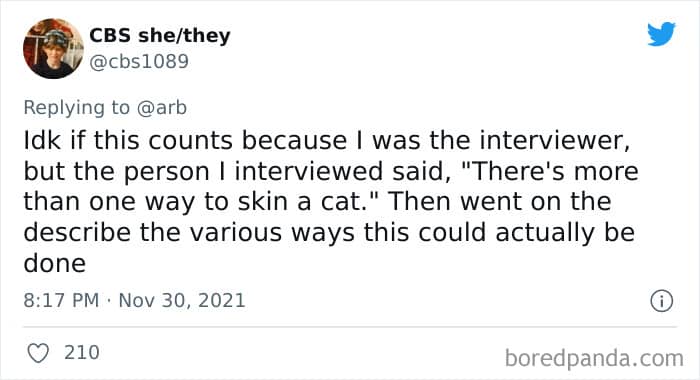
#15
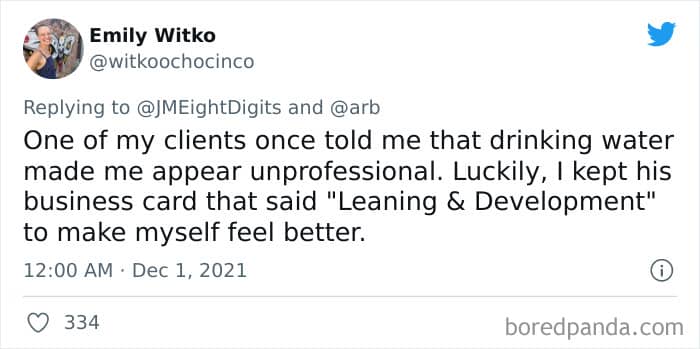
“In addition to being prepared for your interview, reviewing proper interview etiquette rules can help alleviate stress,” Michael said.
Read the email the company sent you with details about your interview, and then reread it again.
“My coaching clients get a very detailed email that includes information about how to enter the office and where to have a seat. Just last week, a client who admittedly did not read the email, barged in on me during a session with another client. You certainly don’t want to seem like someone who cannot follow instructions at the interview. Also, this may sound obvious, but arrive at the interview early. Very early. You never know what can happen with traffic or public transportation, so plan ahead.”
#16
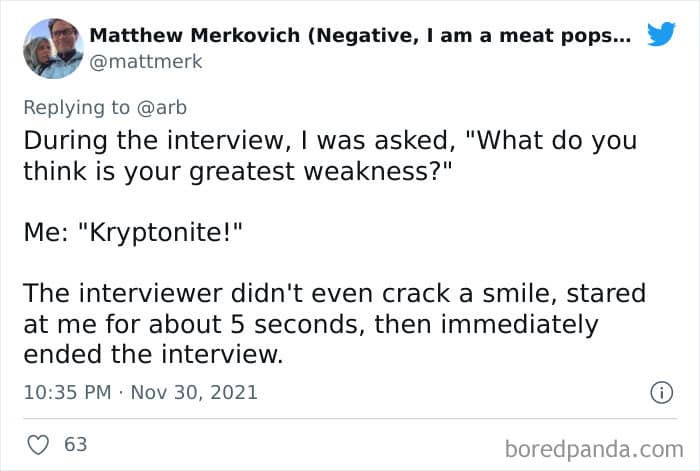
#17
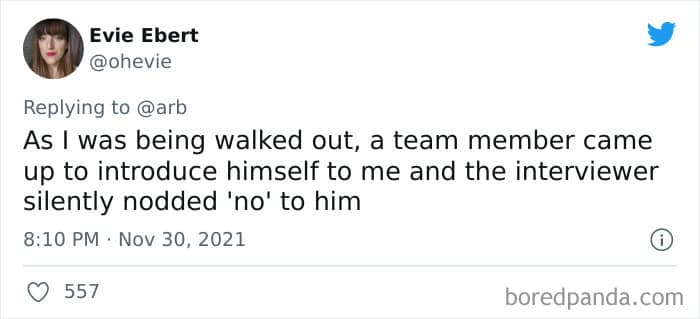
#18
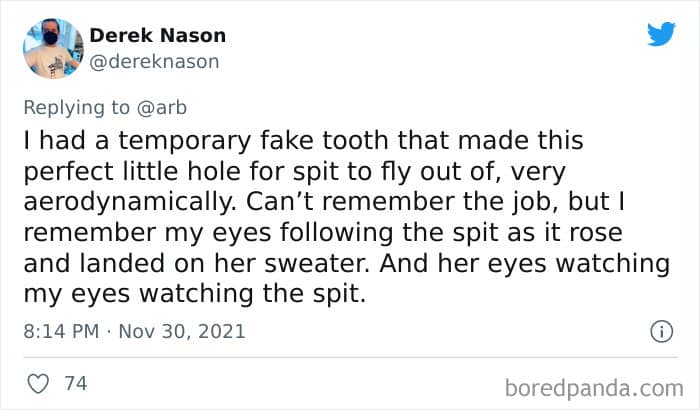
#19
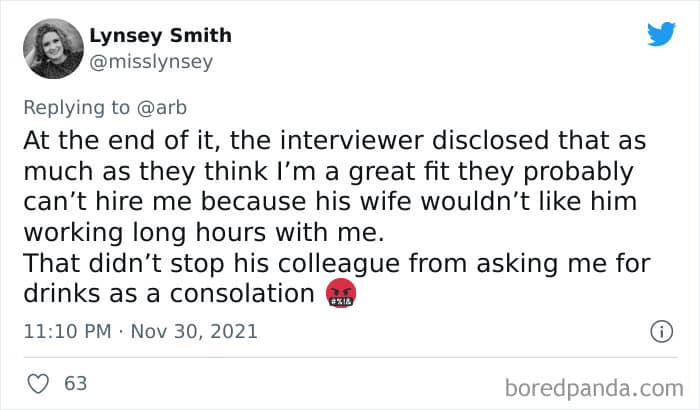
Asurveydone by CareerBuilder revealed that we need to work on our body language too. When asked to identify the biggest body language mistakes job seekers make during an interview, hiring managers named the following:
Failure to make eye contact: 68 percentFailure to smile: 38 percentPlaying with something on the table: 36 percentFidgeting too much in his/her seat: 32 percentBad posture: 31 percentCrossing their arms over their chest: 31 percentPlaying with hair or touching one’s face: 26 percentHandshake that is too weak: 22 percentUsing too many hand gestures: 13 percentHandshake is too strong: 8 percent #20
#21
#22
#23
“Before the interview begins, perform deep diaphragmatic breathing. This is, in my experience, the fastest way to slow your body’s physiological response to stress,” Michael said.
“Breathe in through your nose, concentrating on filling your belly with air like a balloon. Hold your breath for a count of two seconds, and then, exhale slowly through your mouth until your belly flattens. Breaths should be at a ratio of 1:2, with exhales about twice as long as inhales. Try counting to four as you inhale, hold for the count of two, and then exhale to the count of eight. You can easily do this undercover while you are sitting in the lobby.”
#24
#25
#26
#27
Lastly, when you get shocked by a question in an interview, it’s easy to freeze or stumble. But reaching for that glass of water they gave you instead. Use the time as you have a sip to calm your brain down. Just like that, you’ve just given yourself five to eight seconds to respond.
However, there’s no guaranteed recipe to make all of your job interviews a success. There’s always an element of chance. So if things do go south, at least tell the internet about it. That can be the only way to get something out of it, even it’s just a few likes.
#28
#29
#30
#31
#32
#33
#34
#35
#36
#37
#38
#39
#40
#41
#42
#43
#44
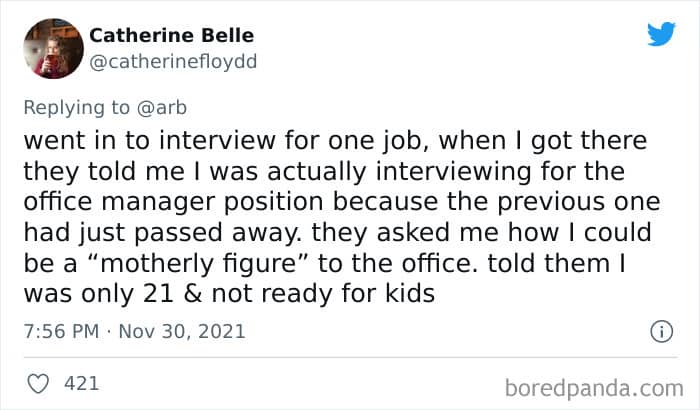
#45
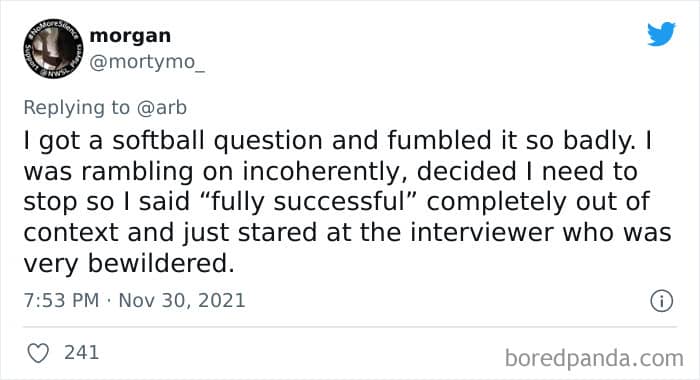
#46
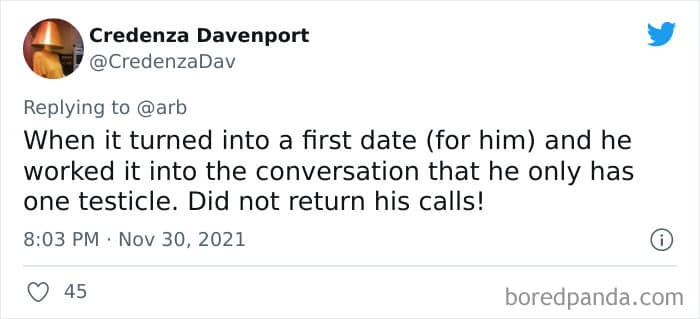
#47
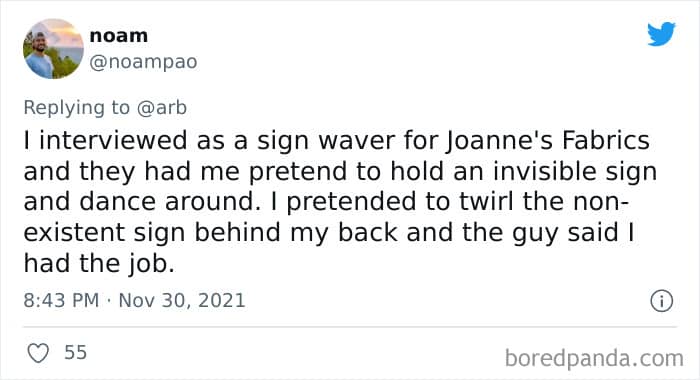
#48
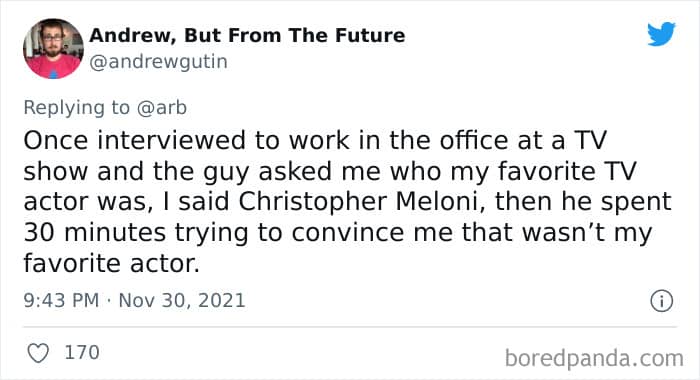
#49
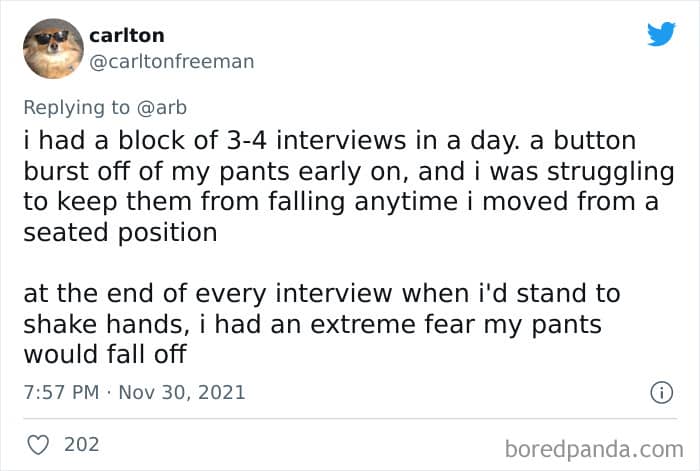
#50
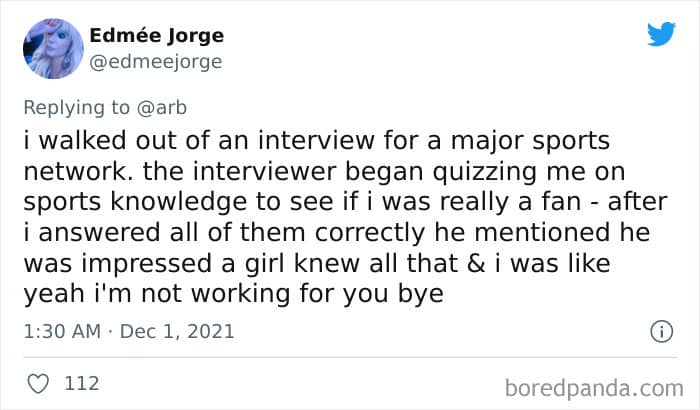
#51
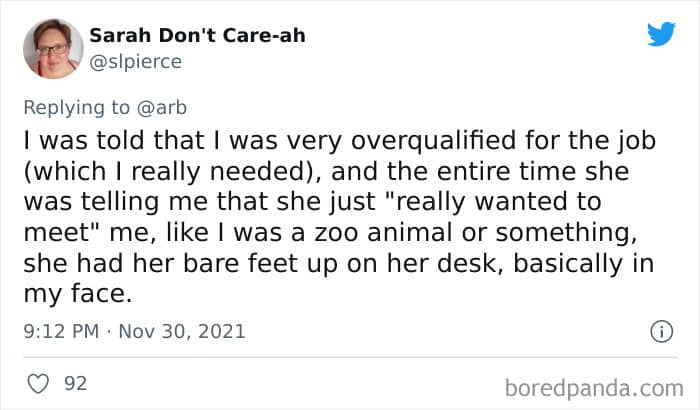
#52
#53
#54
#55
#56
#57
#58
#59
#60

#61

#62
#63
#64
#65
#66

#67

#68
#69
#70
#71
#72
#73
#74
#75
#76
#77
#78
#79
#80
#81
#82

#83
#84
#85
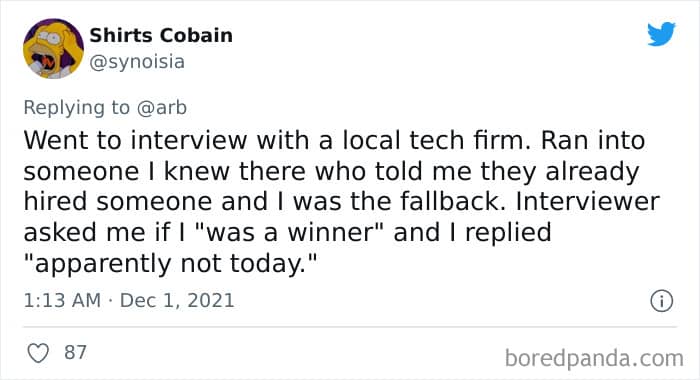
#86
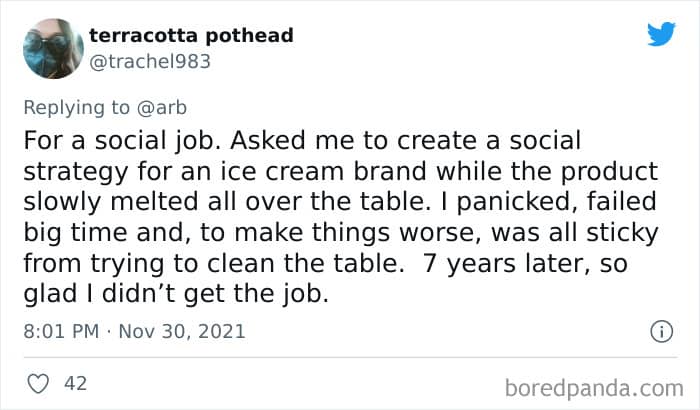
#87
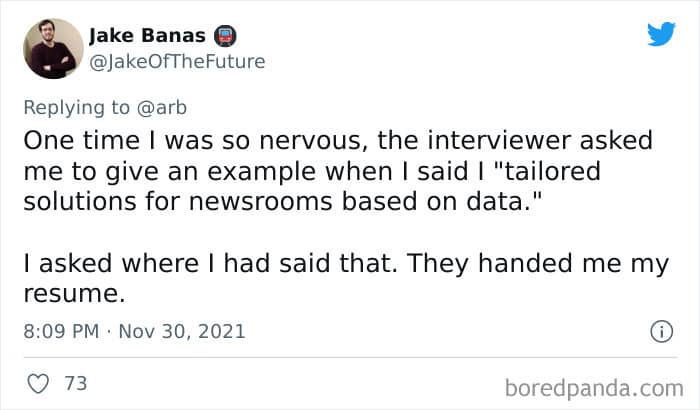
#88
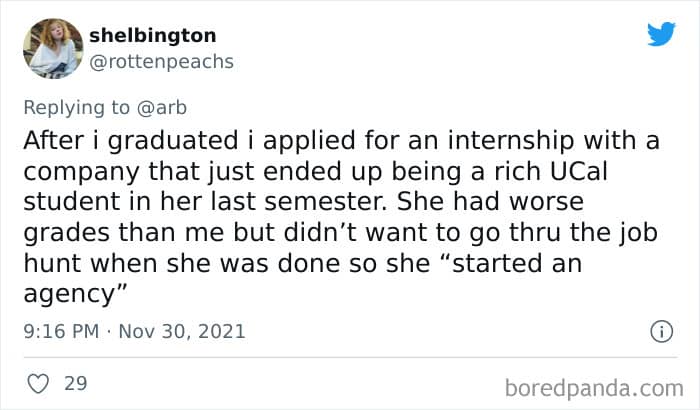
#89
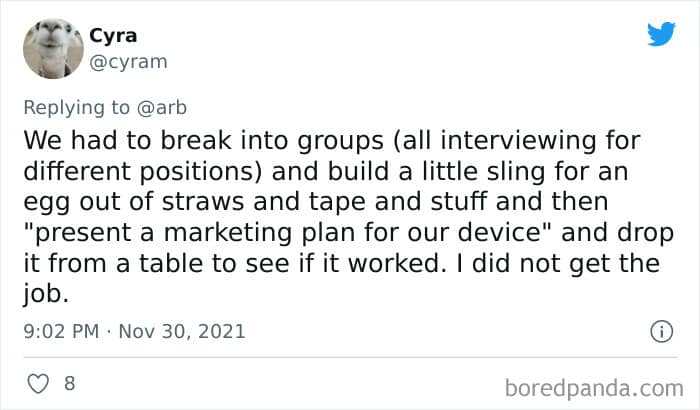
#90
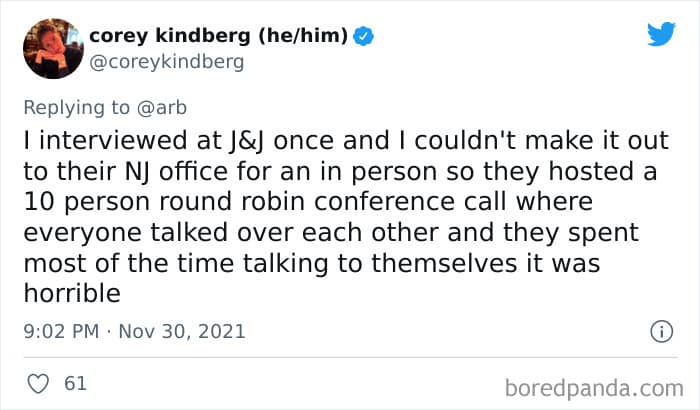
#91
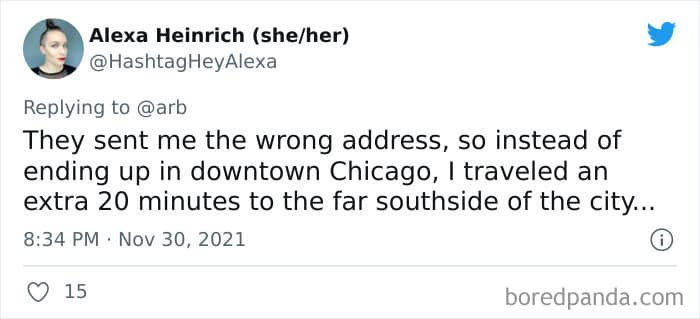
#92
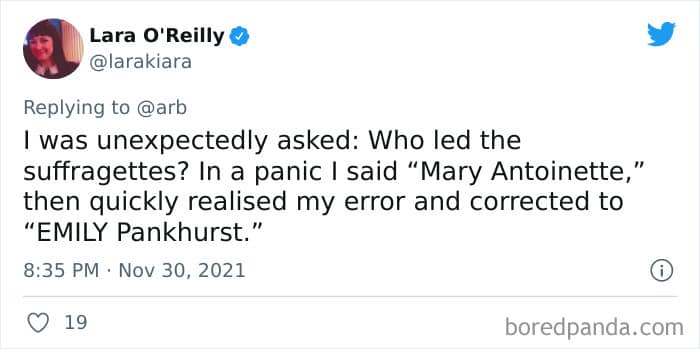
#93
#94
#95
#96
#97
#98
#99
#100
#101
#102
#103
#104
#105
#106
#107
#108
#109
#110